Follow Me On Social Media!

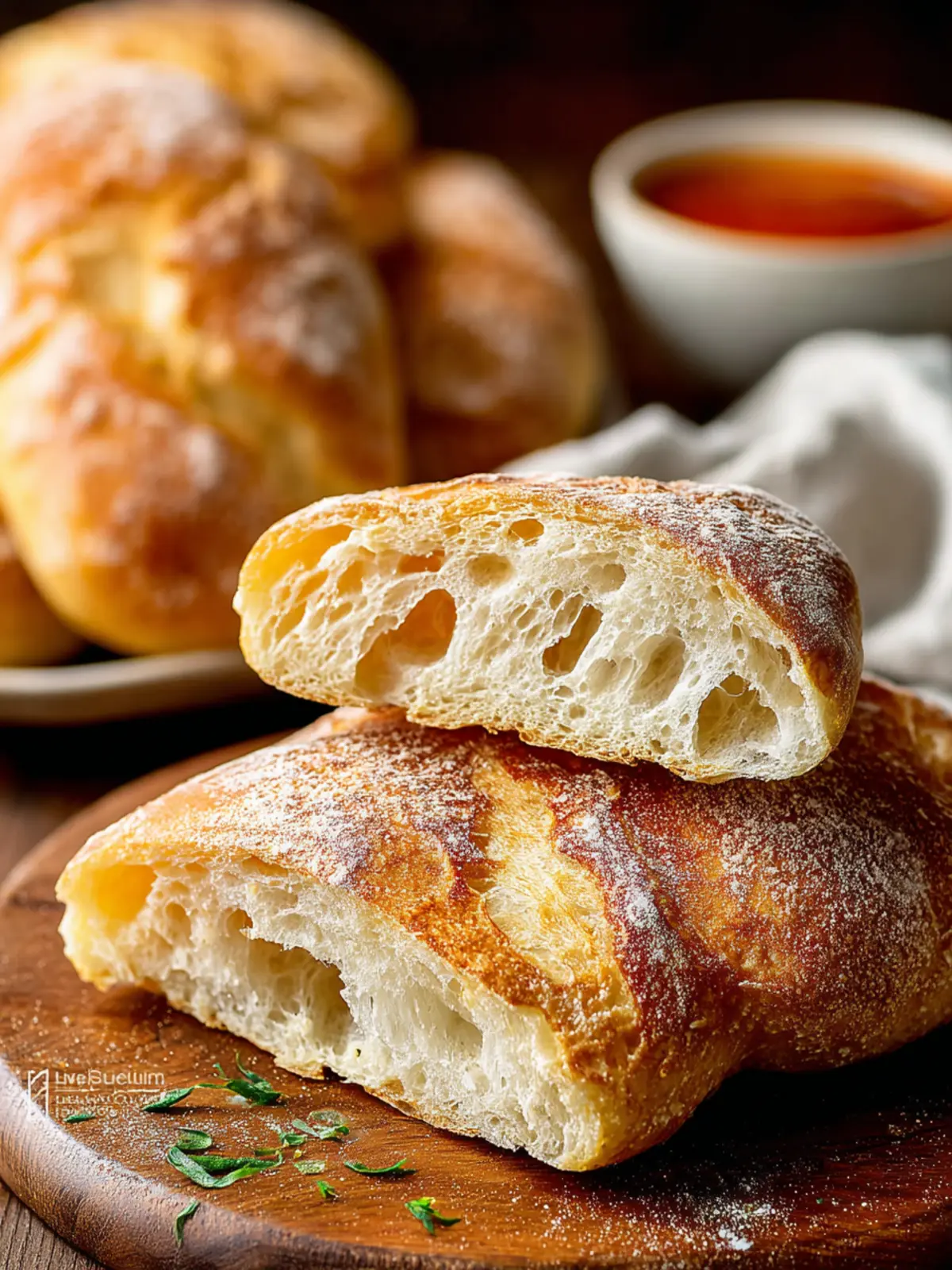
Perfect Homemade Ciabatta: Soft & Crusty, Just Like Italy!

Introduction to Perfect Homemade Ciabatta Bread Recipe – Soft & Crusty
There’s something truly magical about pulling a perfect homemade ciabatta out of the oven, its golden crust crackling as you break into it. Imagine this: it’s a Saturday morning, the sun is shining through the kitchen window, and the rich aroma of fresh bread fills the air, coaxing your family around the breakfast table. Homemade ciabatta represents more than just a simple loaf; it’s a labor of love that brings comfort, warmth, and a touch of art to your culinary repertoire.
While many of us might think that crafting authentic Italian bread is reserved for professional bakers, the beauty of this recipe is its simplicity. With just a handful of ingredients and some patience, you can create a loaf that rivals any bakery in town. Ciabatta, with its airy, open crumb and crusty exterior, is perfect for everything from sandwiches to bruschetta. It’s a versatile bread that pairs well with a variety of dishes or can be enjoyed simply with a drizzle of olive oil.
The allure of freshly baked bread
Let’s talk about why freshly baked bread is irresistible. First, there’s the texture; the delightful contrast between the crusty exterior and the soft, chewy interior makes every bite a joy. Then there’s the flavor—you can’t replicate that yeasty aroma and rich taste with store-bought alternatives. Plus, there’s something incredibly satisfying about kneading dough by hand, allowing its elastic texture to develop under your palms. It’s an enjoyable process that invites creativity. Sometimes, adding a bit of rosemary or garlic can change the entire profile, making it uniquely yours.
As we dive into this perfect homemade ciabatta bread recipe, remember that it’s not just about the ingredients; it’s about the experience. This is your chance to connect with the food you’re making. So, roll up your sleeves, and let’s bake some beautiful bread together!
Key Ingredients for Perfect Homemade Ciabatta Bread
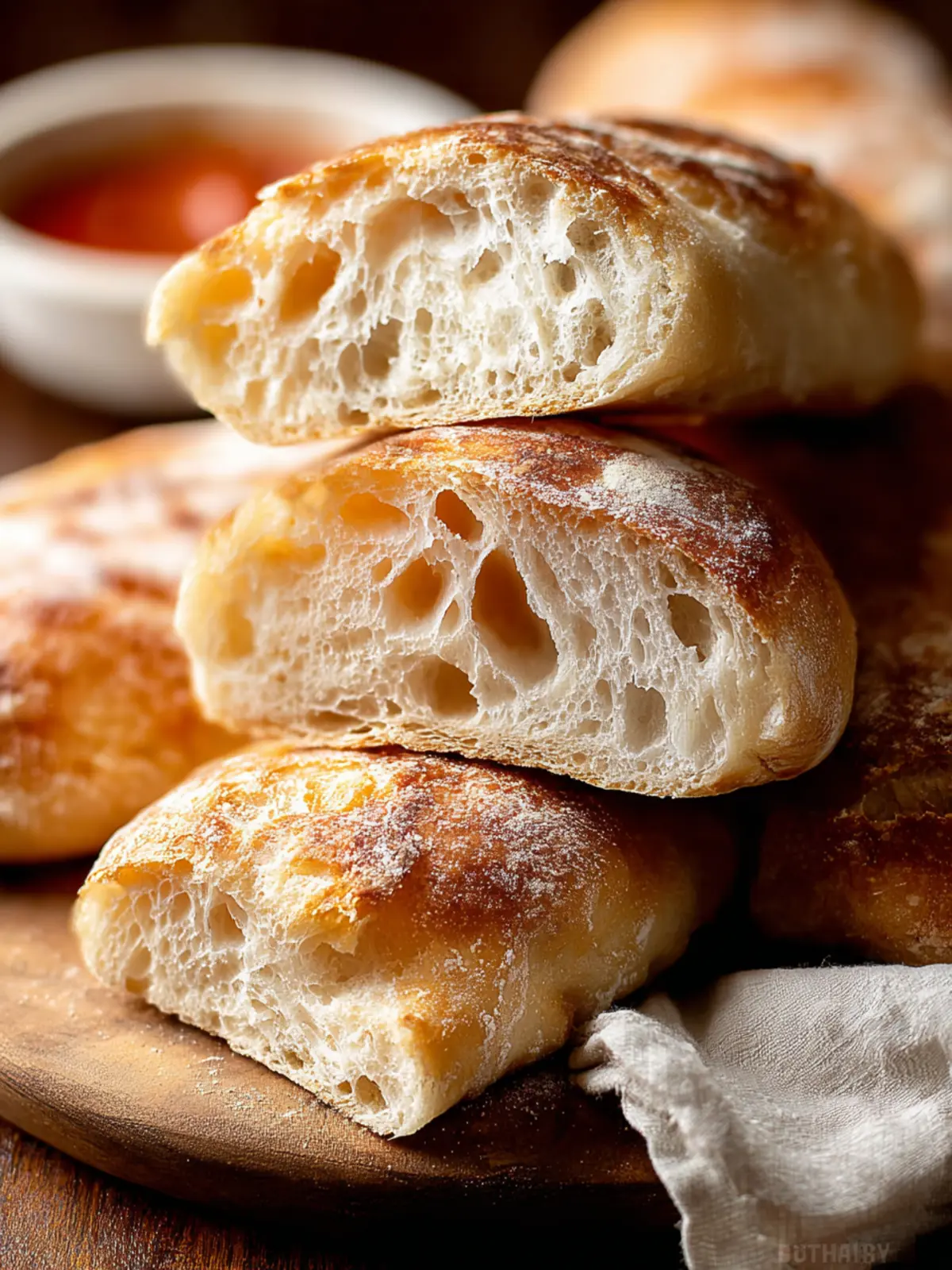
All-Purpose Flour: Using high-quality all-purpose flour is crucial for creating that signature chewy and airy texture of perfect homemade ciabatta. It’s the foundation that provides the necessary structure for the bread, allowing it to rise beautifully while maintaining a lightness that’s utterly irresistible.
Active Dry Yeast: This ingredient is the secret to achieving the perfect rise and airy pockets inside your ciabatta. The fermentation process, spurred by active dry yeast, creates those delightful bubbles that make each bite a treat. A little patience here pays off with a wonderfully fluffy loaf!
Sea Salt: Not just for seasoning, sea salt enhances the bread’s flavor and regulates the yeast’s activity. This balance is vital for achieving a proper proofing, ensuring your ciabatta has that excellent crust and flavor profile.
Lukewarm Water: It’s essential to activate the yeast and kickstart the fermentation process. The right temperature is crucial; too hot can kill the yeast, while too cold might not activate it properly, jeopardizing your dough’s rise.
Extra Virgin Olive Oil: Committed to both flavor and texture, extra virgin olive oil adds richness and elasticity to your dough. It plays a key role in developing that coveted crust, enhancing the overall experience of your homemade ciabatta.
Why You’ll Love This Homemade Ciabatta Bread Recipe
The perfect homemade ciabatta captures the heart and soul of Italian baking, offering that delightful contrast of a soft, airy crumb and a beautifully crusty exterior. Imagine pulling a freshly baked loaf from your oven, the aroma wafting through your kitchen, transporting you to a quaint café nestled in the heart of Tuscany. It’s this enchanting experience that makes this recipe a staple in your baking repertoire.
The beauty of this recipe lies not only in its simplicity but in the high-quality ingredients that work together to create pure bliss on your palate. With a minimal list of essentials, you can whip up a loaf that rivals any artisan bakery.
-
Flour: A bread flour with high protein content is recommended to develop that perfect gluten structure. It gives the ciabatta its characteristic chewy texture.
-
Water: Using room temperature water ensures the yeast activates effectively, allowing for a beautifully airy crumb.
-
Yeast: Instant dry yeast brings ease to the process, ensuring that you can enjoy that homemade taste without lengthy proving times.
-
Salt: A key ingredient for flavor; don’t skip this step! It balances out the bread and enhances the overall taste.
So, if you’ve ever dreamed of crafting your own perfect homemade ciabatta, this recipe is your golden ticket. Each step draws you closer to that crusty, soft masterpiece that will impress your friends and family and, most importantly, yourself!
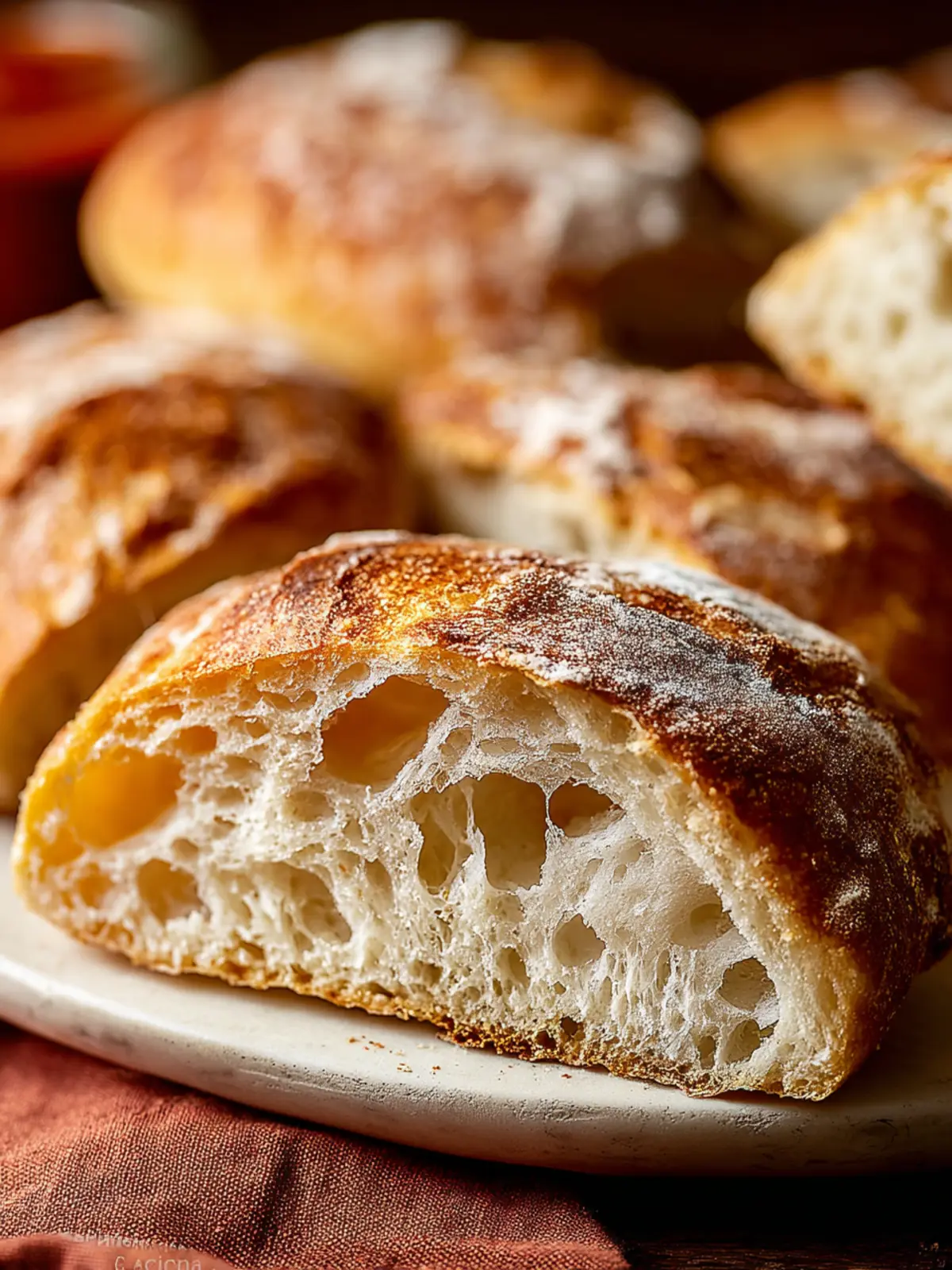
Variations on Ciabatta Bread
Exploring the world of perfect homemade ciabatta can lead to delightful discoveries. While the classic version boasts a soft, airy crumb and a crusty exterior, there are countless variations you can try to elevate your bread-baking experience.
Herb-Infused Ciabatta
Want to add a touch of nature’s flavor? Consider incorporating fresh or dried herbs into your dough. Rosemary, thyme, or oregano can infuse delicious aromas and flavors that transform the traditional ciabatta into a garden-inspired delight.
Olive Ciabatta
For a Mediterranean twist, fold in chopped olives—green or black—during the mixing process. The saltiness of the olives not only enhances the taste but also adds a beautiful texture contrast.
Cheese-Topped Ciabatta
Imagine pulling apart a loaf crowned with gooey, melted cheese! Sprinkle shredded mozzarella or parmesan on the ciabatta right before baking. The result is a cheesy crust that will have everyone reaching for more.
Whole Wheat Ciabatta
If you’re looking for a healthier alternative, try substituting half of your all-purpose flour with whole wheat flour. This variation creates a nuttier flavor and denser texture while keeping the beloved qualities of perfect homemade ciabatta.
Sweet Ciabatta
Dare to go sweet by adding a touch of sugar, cinnamon, or even dried fruits like cranberries or raisins. This version serves wonderfully as a breakfast treat or a dessert option.
Experimenting with these variations not only maintains the essence of perfect homemade ciabatta but also allows you to put your unique stamp on this classic bread. Happy baking!
Cooking Tips and Notes for Perfect Ciabatta
Baking perfect homemade ciabatta is about embracing the art of patience and technique. As you embark on this delicious journey, remember that a few small adjustments can elevate your bread from good to extraordinary. Here are some insights:
Hydration is Key
When it comes to ciabatta, a wetter dough is your best friend. The high hydration not only contributes to an open crumb structure but also adds to that delightful chewiness. If you’re unsure about the dough’s consistency, it should feel slightly sticky to the touch.
Don’t Rush the Fermentation
Allowing the dough to ferment for the right amount of time is crucial. A slow fermentation—at least overnight in the fridge—will enhance the flavor and texture. It’s the magic of time! Consider this your overnight friendly companion, working while you sleep.
Shape with Care
When shaping your loaves, remember to be gentle. Overworking the dough will deflate those lovely bubbles you’ve created. Use floured hands to maintain its structure and ease during the shaping process.
Preheat Like a Pro
Preheating your baking surface (like a pizza stone or cast-iron skillet) ensures those lovely crusts form perfectly. Aim for a sizzling-hot oven, around 450°F, and consider adding steam in the first few minutes of baking for a crispy crust.
With these tips and a pinch of enthusiasm, you’ll master the craft of baking perfect homemade ciabatta that friends and family will eagerly devour!
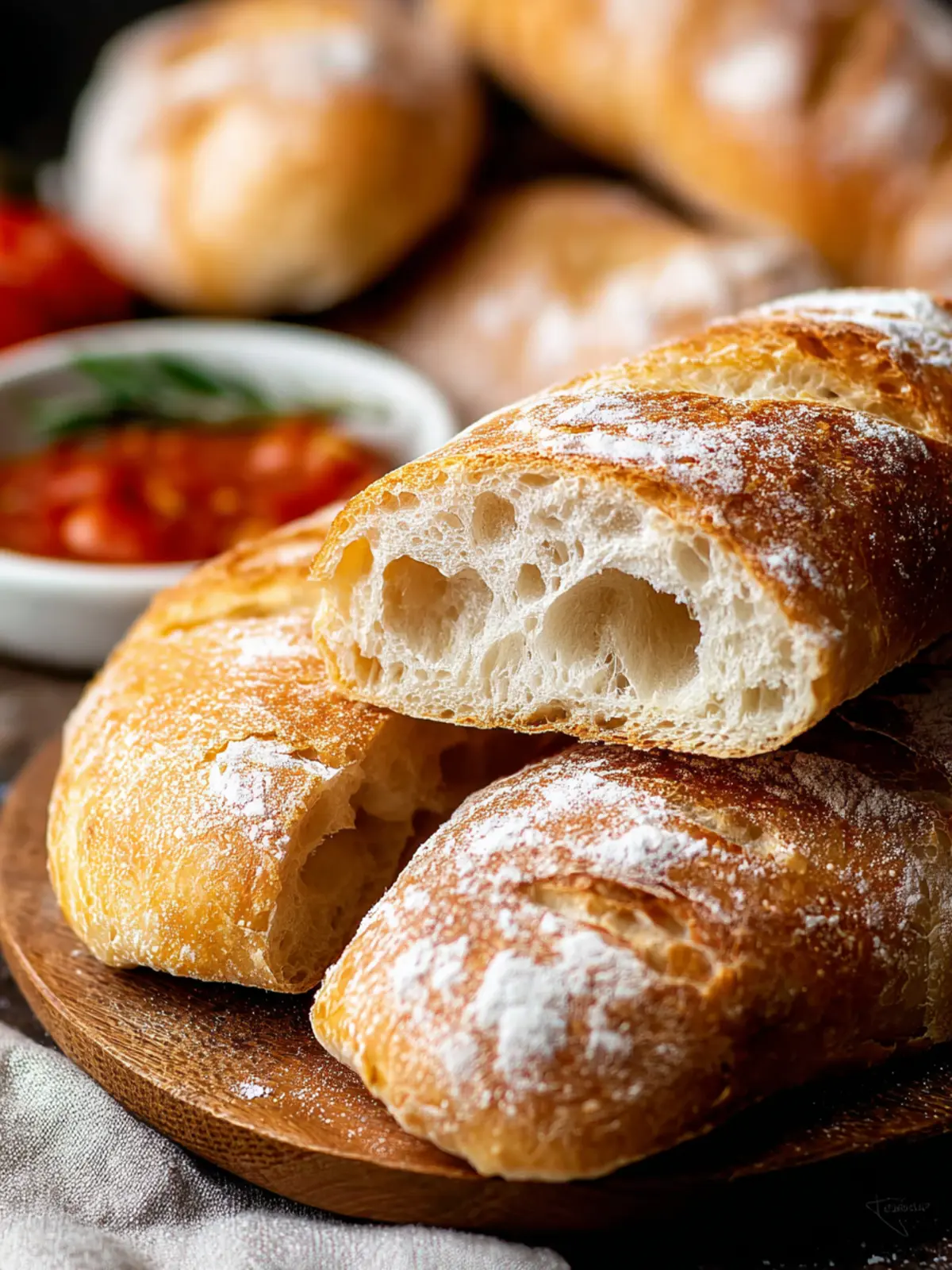
Serving Suggestions for Enjoying Your Ciabatta
When you’ve put in the effort to craft the perfect homemade ciabatta, there’s nothing quite like savoring it in delightful ways that highlight its texture and flavor. Here are some fun and creative serving ideas for your newfound treasure.
Classic Sandwiches
Slice your ciabatta horizontally and stuff it with a mix of fresh ingredients: think ripe tomatoes, creamy mozzarella, and fragrant basil for a classic Caprese. The crusty exterior holds up well, making it a hearty option for lunches.
Toasted Bites
For a quick snack, cut your ciabatta into bite-sized pieces, brush them with olive oil, and toast until golden. Serve these crispy delights with a side of warm marinara or melted garlic butter for dipping.
Sopping Up Sauces
Use slices of your ciabatta to mop up delicious sauces. Imagine dipping into a flavorful stew, or that rich, velvety marinara sauce at your next pasta night. The bread’s airy holes soak up flavors beautifully.
These suggestions not only enhance your eating experience but also celebrate the incredible texture of your perfect homemade ciabatta. Enjoy!
Time Breakdown for Making Ciabatta Bread
Crafting the perfect homemade ciabatta requires patience and time, but the delightful aroma and fluffy texture make it worth every minute. Here’s a quick overview of what to expect in terms of time commitment.
Preparation Time
Getting started with your perfect homemade ciabatta takes about 15 minutes. During this time, you’ll mix the ingredients and prepare your dough.
Rising Time
Patience is key! The dough needs about 3 hours of rising time. This long fermentation is crucial for developing the bread’s characteristic flavor and airy structure.
Baking Time
Once risen, the actual baking takes around 25 minutes. Keep an eye on it to ensure you achieve that beautiful golden crust.
Total Time
In total, you’re looking at roughly 3 hours and 40 minutes from start to finish. Trust me, the end result of soft and crusty bread will make you forget the wait!
Nutritional Facts for Perfect Homemade Ciabatta Bread
Creating the perfect homemade ciabatta bread is not just a delightful endeavor; it’s also a wholesome addition to your meal plan. Let’s take a moment to explore the nutritional breakdown of this delicious bread.
Calories
In a single slice of ciabatta, you can expect around 120-150 calories. This makes it a satisfying yet moderate choice for your meals.
Carbohydrates
Ciabatta is known for its lovely texture and flavor, and it typically contains about 25-30 grams of carbohydrates per slice. These carbohydrates provide energy, making it a great pairing for various toppings or as a side dish.
Protein
For those watching their protein intake, each slice of homemade ciabatta offers around 4 grams. While not a primary protein source, it can complement your overall diet beautifully when enjoyed with protein-rich spreads or alongside savory dishes.
Enjoy your ciabatta with a hearty sauce or dip, balancing the flavors and nutrition for an enjoyable meal experience!
FAQs about Ciabatta Bread
When it comes to baking perfect homemade ciabatta, having a few tips to guide you through common questions can enhance your experience and results. Let’s dive into some frequently asked questions to ensure you bake with confidence.
How do I store homemade ciabatta bread?
To keep your freshly baked ciabatta bread at its best, it’s essential to store it correctly. Allow the bread to cool completely after baking. It’s best to keep the loaf in a paper bag at room temperature for 1-2 days. This method preserves the crust’s crispiness while allowing the bread to breathe. If you plan to keep it longer, wrap it tightly in plastic wrap and place it in a zip-top bag or freeze it. To reheat, just pop it in the oven for a few minutes to restore the crunchy crust.
Can I use whole wheat flour instead of all-purpose?
Absolutely! For those wanting to make a healthier version of perfect homemade ciabatta, a blend of all-purpose flour and whole wheat flour can work beautifully. A 50-50 mixture is a great starting point, but be prepared for a denser loaf with a nuttier flavor. Whole wheat flour absorbs more water, so you may need to adjust the hydration in your dough slightly.
What should I do if my dough is too sticky?
Feeling frustrated with sticky dough is common, especially with ciabatta bread, known for its high hydration. If your dough feels too wet, try dusting your work surface and hands with a bit of flour as you shape it. Alternatively, employ the “stretch and fold” method instead of kneading, which allows you to manage the stickiness without adding too much flour, maintaining that lovely open crumb structure of a ciabatta.
Conclusion on Perfect Homemade Ciabatta Bread
Creating your own perfect homemade ciabatta is a rewarding journey that fills your kitchen with delightful aromas and your table with warmth. The process, while slightly time-consuming, is entirely worth it. Each loaf has a unique texture: a soft, airy crumb and a crispy crust that’s truly satisfying to slice into. Remember, the secret lies in allowing the dough to rise adequately and mastering your oven’s temperature. So, gather your friends, serve it warm with olive oil, or enjoy it as the foundation for an amazing sandwich. You’ll never want store-bought again!
Print
Homemade Bread
- Total Time: 1 hour
- Yield: 2 loaves 1x
- Diet: vegetarian
Description
This homemade bread recipe is simple and yields delicious loaves perfect for any meal.
Ingredients
Scale
- 4 cups all-purpose flour
- 1 ½ cups lukewarm water
- 2 tsp active dry yeast
- 2 tsp sea salt
- 2 tbsp extra virgin olive oil
Instructions
- Activate the Yeast: In a small bowl, mix lukewarm water with active dry yeast and a pinch of sugar. Let it sit for 5-10 minutes until frothy.
- Mix the Dough: In a large bowl, combine flour and salt. Make a well in the center and pour in the yeast mixture along with olive oil. Stir until sticky dough forms.
- Knead: Transfer dough to a floured surface and knead gently for 8-10 minutes until smooth and elastic.
- First Rise: Place dough in a greased bowl, cover, and divide into two pieces and shape into oblong loaves.
- Final Rise & Bake: Transfer loaves onto parchment-lined sheets. Cover and let rise for 30 minutes while preheating oven to 425°F (220°C). Bake for 25-30 minutes until golden brown.
Notes
- This bread is best served fresh, but it can also be toasted or used for sandwiches.
- Prep Time: 15 minutes
- Cook Time: 30 minutes
- Category: Breads
- Method: baking
- Cuisine: American
Nutrition
- Serving Size: 1 slice
- Calories: 120
- Sugar: 0g
- Sodium: 200mg
- Fat: 2g
- Saturated Fat: 0g
- Unsaturated Fat: 2g
- Trans Fat: 0g
- Carbohydrates: 24g
- Fiber: 1g
- Protein: 4g
- Cholesterol: 0mg