Follow Me On Social Media!

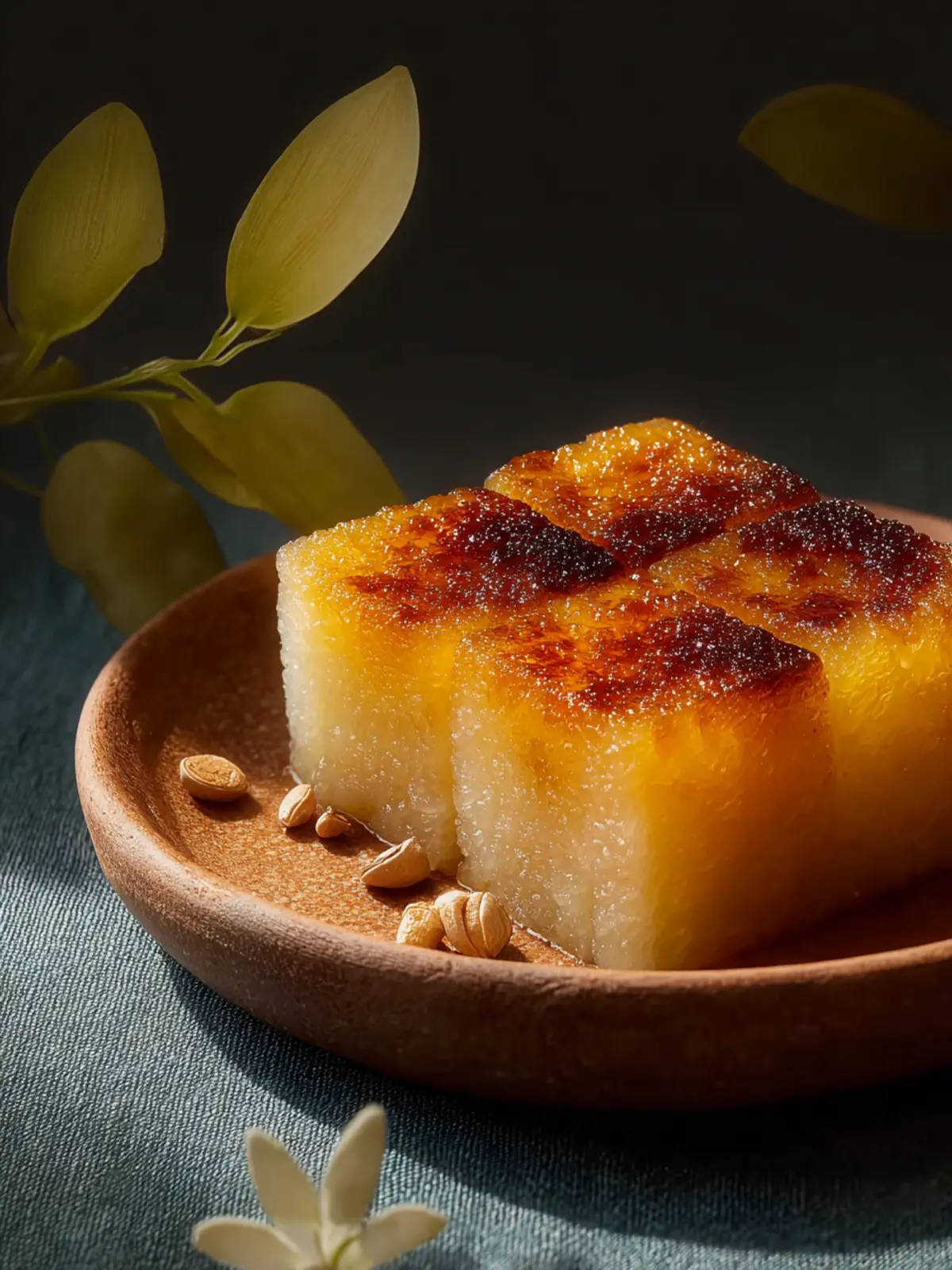
Mouthwatering Nian Gao: Chewy Mochi Cake for Sweet Luck

Introduction to Mouthwatering Nian Gao: Chewy Mochi Cake for Good Fortune
There’s something truly magical about mouthwatering Nian Gao, a delightful chewy mochi cake that’s often served during Lunar New Year celebrations. My first encounter with this delightful dish was at a friend’s family reunion. As the delicious scent of freshly steamed Nian Gao wafted through the air, curiosity piqued my appetite. I will never forget the moment I took my first bite—the soft, chewy texture and subtly sweet flavor instantly transported me to a joyful world of culinary delight. As I savored each piece, I learned that Nian Gao symbolizes good fortune for the upcoming year, making it an essential dish during festivities.
The Allure of Nian Gao
Mouthwatering Nian Gao is not just a treat; it carries traditions and symbols that encapsulate hope and prosperity. The celebration surrounding this dish is rich in heritage, and the preparation often involves gathering family members to participate in the cooking process. Memories of family bonding over steaming bowls of this chewy delight leave an indelible mark, inviting us to create our own traditions.
So, what makes Nian Gao so special? The unique texture comes from glutinous rice flour, which gives the cake its signature chewiness, setting it apart from traditional cakes. The sweetness typically comes from added sugar or sweet ingredients like red bean paste, further enhancing its appeal.
Why You Should Try Making It
Creating your own mouthwatering Nian Gao at home can be a fun and rewarding experience. Imagine impressing your friends or family with this delectable dish, a perfect complement to any meal or dessert table. Plus, it’s versatile! You can enjoy it plain, with savory meat dishes, or even sautéed with vegetables for a unique twist.
As you embark on this culinary journey, you’ll not only master a recipe but also deepen your connection to the traditions and stories that come with this special cake. So, let’s dive into the ingredients and get started on crafting your very own Nian Gao. It’s time to bring a piece of good fortune to your kitchen!
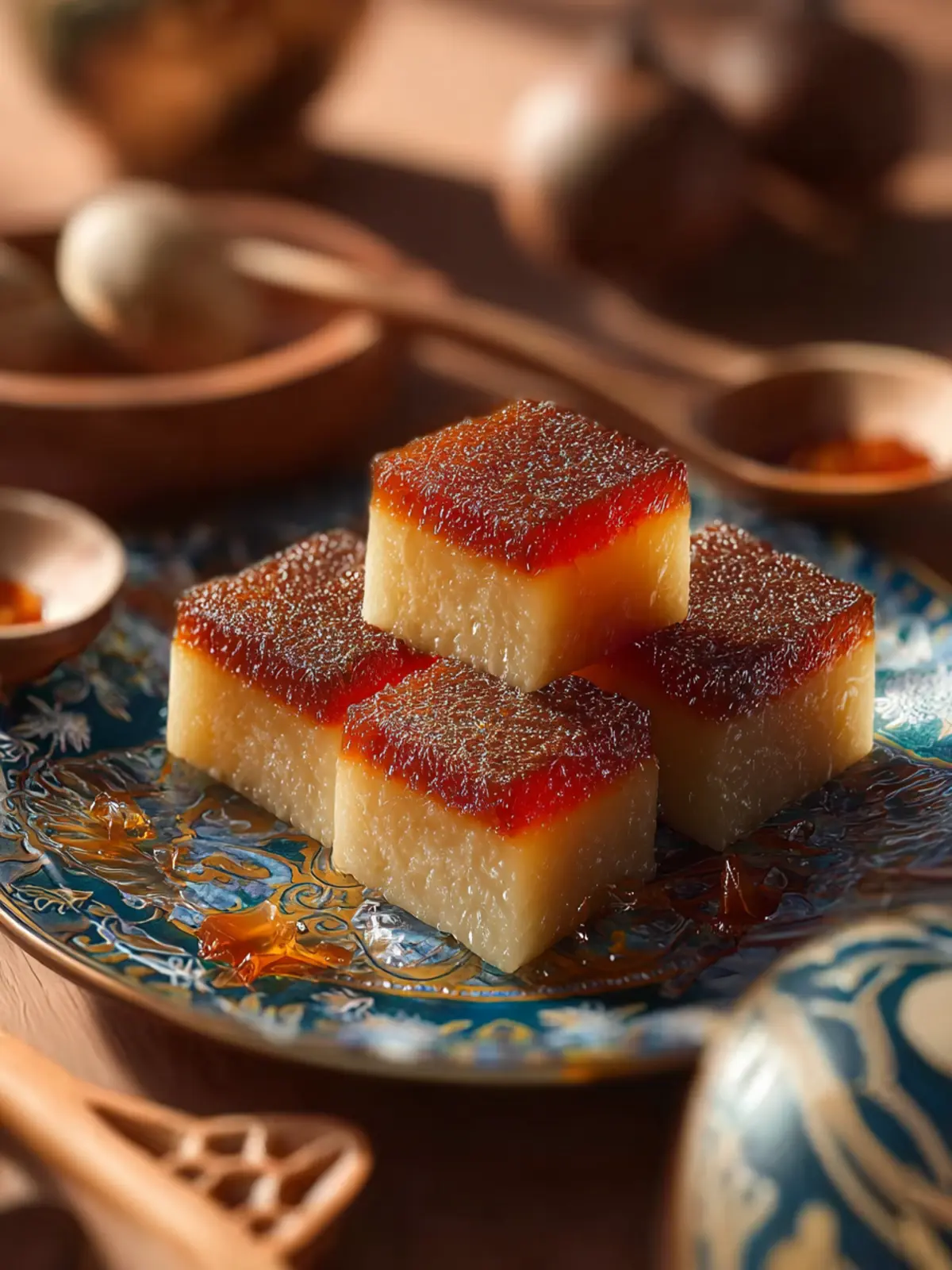
Key Ingredients for Mouthwatering Nian Gao
The secret to creating mouthwatering nian gao lies in selecting the right ingredients that bring out its delectable chewy texture and subtle sweetness. This classic dish isn’t just a treat; it’s a symbol of prosperity and luck, perfect for family gatherings or celebrations.
-
Glutinous Rice Flour: This is the star ingredient, providing that essential chewy texture. It’s crucial to use glutinous rice flour and not regular rice flour; the difference in chewiness is remarkable.
-
Water: Simply put, you need the right amount to mix with the glutinous rice flour to achieve a smooth batter. Cold water helps maintain the proper consistency without activating the starches too quickly.
-
Sugar: I prefer granulated sugar for an even sweetness throughout the cake. It balances the flavor beautifully, enhancing the overall taste without overpowering it.
-
Red Bean Paste: This adds a delightful sweetness and richness. You can either use store-bought or homemade red bean paste, but make sure it’s smooth for a perfect bite.
-
Vegetable Oil: A little oil helps keep the cake moist and gives it a lovely sheen. It also prevents sticking, so your nian gao comes out perfectly every time.
These ingredients blend together seamlessly to create a dish that is not only a celebration of flavors but also a representation of heartfelt wishes for good fortune.
Why You’ll Love This Recipe
Emphasizing Flavor, Ease, and Tradition
Imagine sinking your teeth into a slice of Mouthwatering Nian Gao, where each bite reveals layers of flavor and texture. This traditional Chinese dessert, with its unique chewy consistency, brings back memories of family gatherings and celebrations. The subtle sweetness paired with the hint of richness from the coconut truly makes this dish a standout.
What sets this recipe apart is its simplicity. With just a few key ingredients like glutinous rice flour and coconut milk, you can whip up this delightful treat in no time. Whether you’re a seasoned chef or just starting out, you’ll find that creating Nian Gao doesn’t require any complex techniques. It’s as easy as mixing, pouring, and steaming!
Lastly, cooking this dish connects you to centuries of tradition, symbolizing prosperity and good fortune in Chinese culture. By making Mouthwatering Nian Gao at home, you’re not just following a recipe—you’re honoring a beloved practice that brings people together. So grab your ingredients, and let’s dive into this warm, delightful taste of tradition that everyone will love!

Variations to Try
Delving into the world of Mouthwatering Nian Gao opens a treasure trove of opportunities for creative culinary spins. While the classic recipe is a staple at celebratory feasts, why not take a detour and explore some delightful variations that bring a fresh twist to this traditional dish?
Creative spins on the classic Nian Gao
-
Sweet Treats: Add a splash of sweetness by mixing in diced fruits such as mango, strawberries, or even blueberries. The juicy bursts complement the chewy texture beautifully and add a vibrant color contrast.
-
Savory Surprises: Infuse your Mouthwatering Nian Gao with savory flavors by incorporating chopped scallions, shiitake mushrooms, or minced garlic. This gives your cake a unique profile, perfect to serve as a side dish during a family meal.
-
Creamy Coconut: Elevate your cake by adding coconut milk into the batter. Not only does this enhance the flavor, but it also keeps the texture wonderfully moist. Top it with shredded coconut for an extra touch of tropical bliss!
-
Nutty Crunch: Mix in your favorite nuts, such as walnuts or almonds, to add texture and a nutritional boost. The added crunch contrasts perfectly with the chewy mochi cake, adding layers to each bite.
Each of these variations can turn your Mouthwatering Nian Gao into something distinctive and exciting, ensuring that every gathering is memorable with your innovative creations.
Cooking Tips and Notes for Nian Gao
In every culture, there’s a dish steeped in tradition and family stories, and for many, mouthwatering Nian Gao holds a special place. This chewy mochi cake isn’t just a treat; it symbolizes good fortune and unity during celebrations. Here are some essential cooking tips to ensure your Nian Gao turns out perfectly delightful.
Essential Techniques for the Perfect Chewy Texture
-
Use Glutinous Rice Flour: The foundation of mouthwatering Nian Gao lies in high-quality glutinous rice flour. This ingredient gives the cake its signature chewiness, so opt for the best you can find.
-
Water Temperature Matters: Mixing your flour with warm water can create a smoother batter. This step is crucial as it helps in the formation of that beloved chewy texture.
-
Steam, Don’t Bake: Nian Gao is traditionally steamed rather than baked. Steaming ensures that the cake retains moisture, giving you that soft yet chewy characteristic. Plus, it allows the flavors to develop beautifully.
-
Let It Rest: After steaming, allow your Nian Gao to sit for a few hours before slicing. This resting period helps the cake firm up, making it easier to cut and serving as a delightful dessert or snack.
With these tips in hand, you’ll be well on your way to creating a mouthwatering Nian Gao that not only tastes fantastic but also brings good fortune to your table. Enjoy the journey of cooking as you celebrate with family and friends!
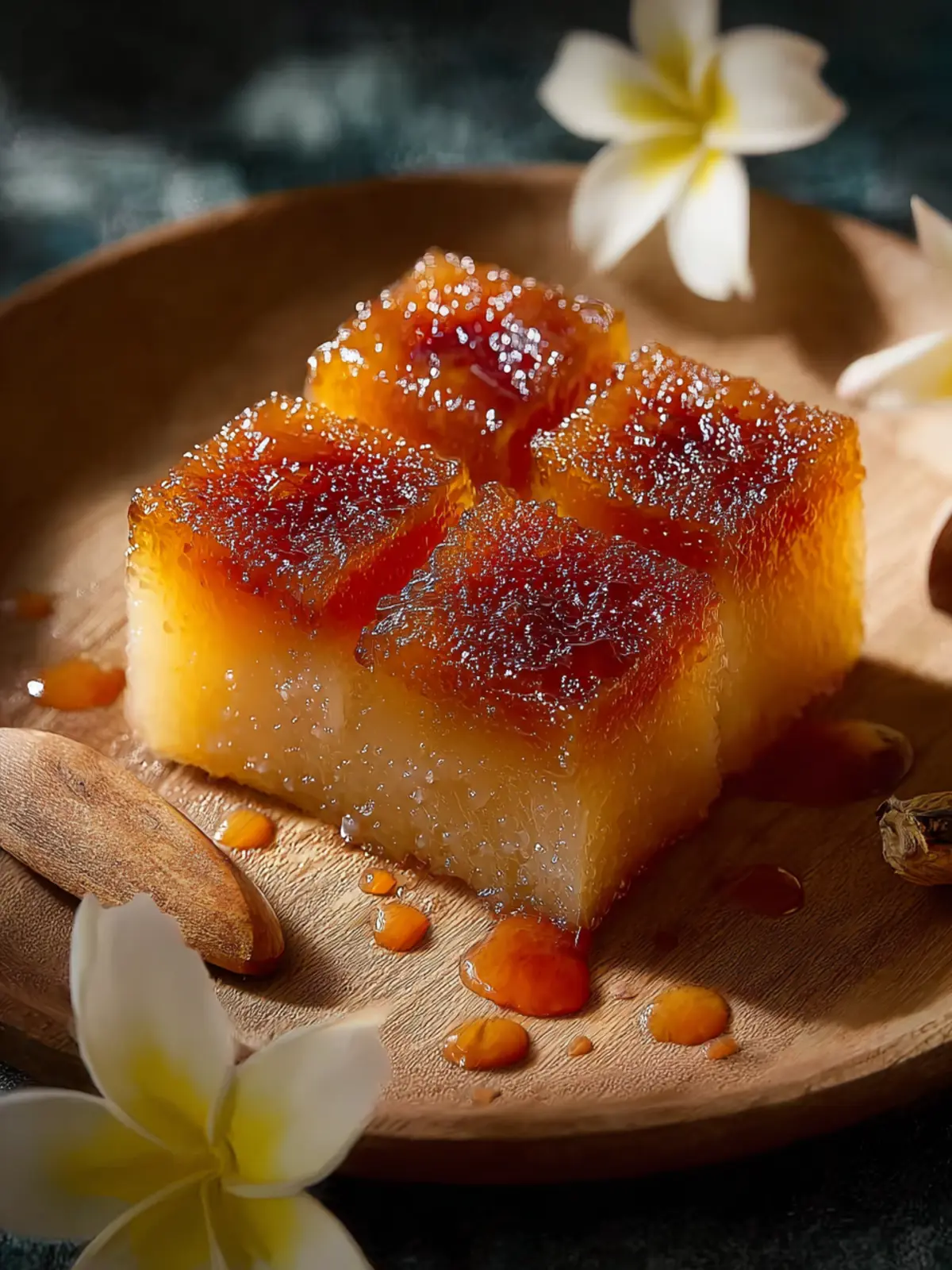
Serving Suggestions for Your Nian Gao
Mouthwatering Nian Gao is truly versatile, making it perfect for various occasions. This chewy mochi cake can be served warm, at room temperature, or even chilled, depending on your personal preference.
How and When to Serve This Delightful Cake
-
Celebratory Feasts: Traditionally, Nian Gao is enjoyed during the Lunar New Year for good luck. Serve slices alongside savory dishes for a balanced meal or as a sweet treat to cap off your festivities.
-
Casual Gatherings: Hosting a touch of casual elegance? This cake makes a lovely addition to afternoon teas or weekend brunches. Pair it with a fragrant cup of tea for an indulgent treat.
-
Creative Twists: For a contemporary spin, consider topping your Nian Gao with fresh fruits like strawberries or mangoes, or drizzle with honey for an added hint of sweetness.
-
Crispy Delight: For an indulgent twist, pan-fry slices in a bit of oil until golden brown. The contrast between the chewy center and crunchy edges adds another layer of enjoyment.
Whether sharing it with family or enjoying a quiet moment alone, Nian Gao brings warmth and joy to every bite.
Time Breakdown for Nian Gao
When crafting the mouthwatering Nian Gao, it’s essential to manage your time wisely so you can savor each step of this delightful recipe. Let’s break down what you can expect.
Preparation Time
The preparation for this sticky rice cake takes about 30 minutes. During this time, you’ll measure and mix the ingredients, ensuring everything is perfectly combined for that chewy texture.
Baking Time
Once you’ve prepared your mixture, it will require around 1 hour of baking time. This is when the magic happens, as the cake transforms into that satisfying, mochi-like delight.
Total Time
In total, you’re looking at approximately 1 hour and 30 minutes to create your mouthwatering Nian Gao. This timing will leave you with a delicious cake ready to bring a touch of good fortune to your table!
Nutritional Facts for Nian Gao
When you indulge in the delightful Mouthwatering Nian Gao, it’s more than just a treat; it’s a heartfelt experience rich in tradition and flavor. Let’s take a look at what makes this chewy mochi cake a delightful option for your celebrations.
Calories
A serving of Nian Gao typically contains around 360 calories. This makes it a satisfying choice for a dessert or snack, particularly when shared with friends and family during festivities.
Protein
You’ll find that each serving offers approximately 5g of protein. While it may not be a high-protein food, this bit contributes to your overall daily intake, especially if enjoyed alongside other dishes.
Dietary Fiber
With about 1g of dietary fiber per serving, Nian Gao can aid your digestion, especially when paired with fresh fruits or savory dishes that complement its sweet flavor.
Overall, this chewy delight offers a balance of flavors and textures, making it a worthy addition to any celebration!
FAQ about Nian Gao
When diving into the world of mouthwatering Nian Gao, you’ll quickly discover that this traditional dish is so much more than just a chewy mochi cake. It’s deeply woven into the fabric of cultural celebrations, particularly during the Lunar New Year, where it symbolizes growth and prosperity.
What is the tradition behind Nian Gao?
Nian Gao, or sticky rice cake, is traditionally enjoyed to encourage good fortune and success. The word “Nian” sounds like “year,” while “Gao” sounds like “tall” or “high,” symbolizing the growth and height of one’s achievements in the upcoming year. Families often come together to prepare this dish, making it a true labor of love that fosters bonds and memories.
Can I freeze Nian Gao?
Absolutely! Mouthwatering Nian Gao freezes beautifully. To store it, slice it into individual portions and wrap each piece in plastic wrap. Then, place them in an airtight container or freezer bag. When you’re ready to enjoy, just thaw it in the fridge overnight, and reheat it before serving.
How can I store leftovers?
If you have any leftovers of your delightful mouthwatering Nian Gao, store them in an airtight container at room temperature for up to two days. For longer storage, keep them in the fridge for about a week. Just make sure to reheat before serving to relish the iconic chewy texture again!
With these tips, you’re all set to enjoy every bite of your mouthwatering Nian Gao!
Conclusion on Nian Gao: A Recipe for Joy
Final thoughts on homemade goodness and good fortune
Crafting mouthwatering Nian Gao not only fills your kitchen with delightful aromas but also brings a sense of tradition and joy to your celebrations. As you slice into this chewy mochi cake, remember that every bite carries the hopes of good fortune and happiness for the upcoming year. Embracing this homemade goodness allows you to connect with your roots and family heritage, making every moment spent in the kitchen worthwhile. So gather your loved ones, indulge in the sweet rewards of your efforts, and let this delightful treat be a symbol of prosperity and joy in your life.
Print
Glutinous Rice Cake
- Total Time: 55 minutes
- Yield: 8 servings 1x
- Diet: Vegetarian
Description
A delicious and chewy glutinous rice cake flavored with coconut and citrus zest.
Ingredients
Scale
- 2 cups Glutinous Rice Flour
- 1 cup Sugar
- 3 large Eggs
- 1 cup Coconut Milk
- 1 teaspoon Baking Powder
- 1/2 cup Butter
- 1 teaspoon Vanilla Extract
- 1/4 cup Sesame Seeds
- 1 tablespoon Citrus Zest
Instructions
- Preheat the oven to 350°F (175°C). Grease a baking dish thoroughly.
- Whisk together the eggs and sugar in a large bowl until well combined.
- Mix in melted butter or oil, followed by the coconut milk, until smooth.
- Gradually add the glutinous rice flour and baking powder, stirring until a thick batter forms.
- Pour the batter into the prepared dish and spread evenly.
- Bake for 30-40 minutes until golden.
- Cool the cake slightly in the dish before slicing for serving.
Notes
- For a richer flavor, substitute half of the coconut milk with whole milk.
- Add more citrus zest for an extra fresh flavor.
- Prep Time: 15 minutes
- Cook Time: 40 minutes
- Category: Dessert
- Method: Baking
- Cuisine: Asian
Nutrition
- Serving Size: 1 slice
- Calories: 200
- Sugar: 15g
- Sodium: 150mg
- Fat: 10g
- Saturated Fat: 6g
- Unsaturated Fat: 3g
- Trans Fat: 0g
- Carbohydrates: 25g
- Fiber: 1g
- Protein: 3g
- Cholesterol: 80mg