Follow Me On Social Media!

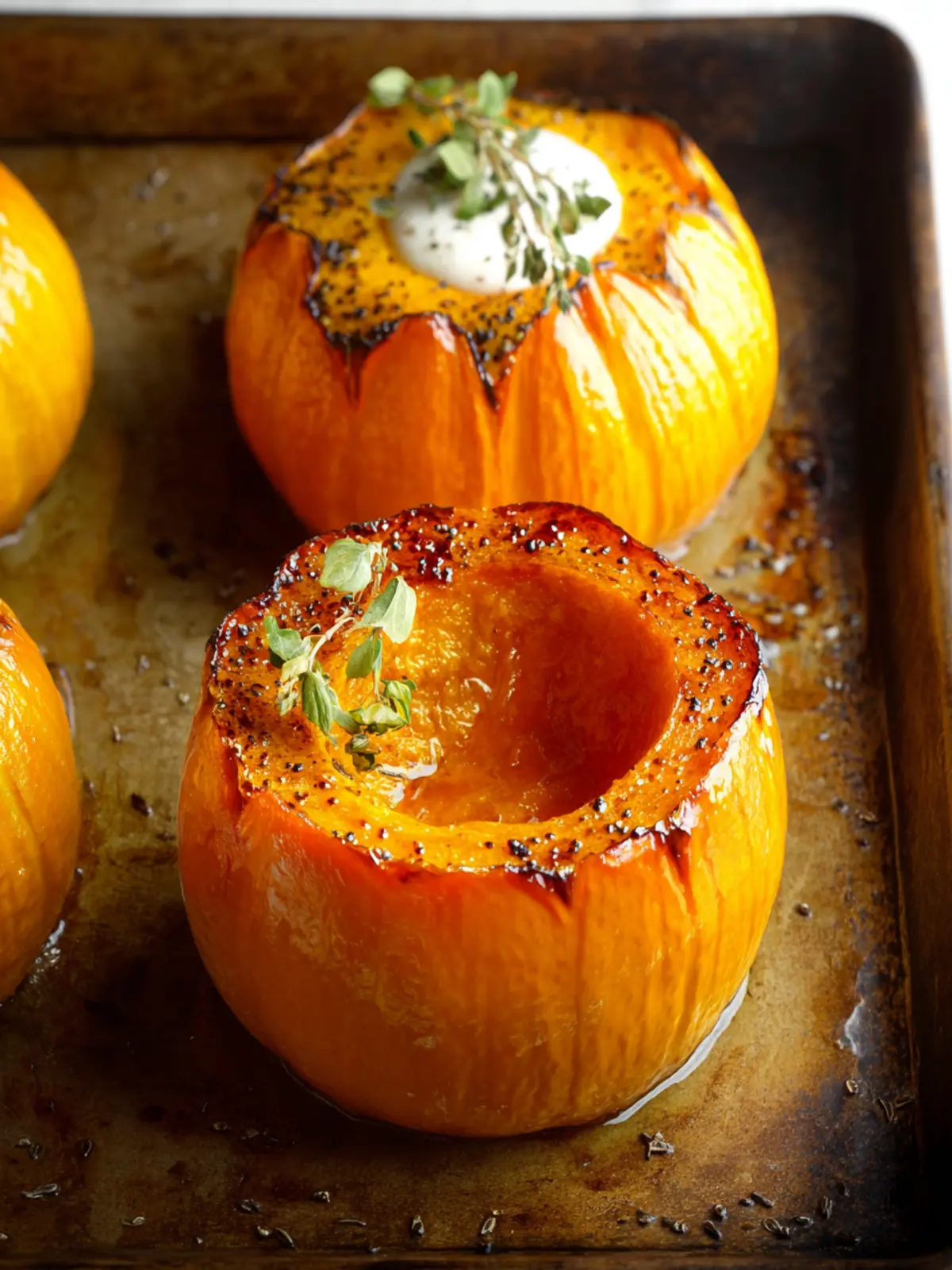
Cook Pumpkin Guide: Easy Ways to Enjoy Fall’s Creamy Joy

Introduction to Cooking Pumpkin
The moment I found out how versatile and rewarding it is to cook pumpkin, my culinary world expanded dramatically. From sweet pies to savory soups, pumpkin has a unique ability to bring warmth and comfort to our plates. Imagine the delightful aroma of roasted pumpkin wafting through your kitchen on a crisp autumn day—there’s truly nothing like it.
Cooking pumpkin is not only enjoyable but also surprisingly easy, especially when you know what you’re doing. With its vibrant orange hue and subtle sweetness, pumpkin transforms every dish it graces into a celebration of flavor. Whether you’re preparing a classic pumpkin pie for the holiday season or a smooth and creamy pumpkin soup for a cozy dinner, the experience is always satisfying. Plus, did you know that pumpkin is packed with nutrients? It’s a fantastic source of vitamins A and C, helping support your immune system and skin health!
As a young professional, experimenting with pumpkin can help you hone your cooking skills while impressing your friends at dinner parties with your newfound expertise. Consider the way pumpkin can elevate a simple dish. You can roast it for a nutty flavor, steam it to retain its natural sweetness, or even puree it for silky sauces and soups. Each method opens up a world of possibilities, making your cooking adventures truly fascinating.
When it comes to navigating your way through the vast realm of pumpkin recipes, having a cook pumpkin guide on hand is invaluable. You’ll be equipped with tips and tricks to ensure every pumpkin dish you create turns out perfectly. This guide will help you understand the different pumpkin varieties, ideal cooking methods, and how to adjust flavors to suit your palate.
Ultimately, cooking pumpkin is about more than just the end result; it’s about the journey you take in the kitchen. So, roll up your sleeves, embrace the process, and enjoy every moment spent crafting delicious pumpkin delights!

Key Ingredients for Cooking Pumpkin
Pumpkin is a versatile ingredient that can elevate both savory and sweet dishes, bringing warmth and earthiness to the table. Using fresh pumpkin not only enhances flavor but also provides a nutritious boost. Here’s what you’ll need to create a delightful pumpkin dish from our Cook Pumpkin Guide.
-
Fresh Pumpkin: Opt for a sugar pumpkin or a pie pumpkin, which has a sweeter flavor and creamier texture compared to larger carving pumpkins. When selecting, look for a firm exterior without blemishes, and don’t hesitate to ask your local farmer for the best variety!
-
Olive Oil or Butter: A drizzle of olive oil or a pat of butter can enrich your pumpkin preparation. Butter adds a touch of richness, while olive oil lends a lighter, fruity flavor—perfect for roasting.
-
Salt and Pepper: These are essential! Salt enhances the natural sweetness of pumpkin, while pepper adds a subtle spice that balances the dish.
-
Herbs and Spices: Think cinnamon, nutmeg, and sage. These spices work wonders in complementing pumpkin’s naturally warm and earthy flavor.
As you gather these ingredients, imagine the delectable aroma filling your kitchen and the satisfying taste of your home-cooked pumpkin dish.
Why You’ll Love This Cooking Pumpkin Recipe
When it comes to cooking with pumpkin, nothing beats the joy of making your own pumpkin puree. The first time I decided to cook pumpkin from scratch, I was amazed at how fresh and vibrant the flavor was compared to store-bought versions. Homemade pumpkin puree is not only delicious but also a wholesome alternative, as you can control the ingredients, ensuring it’s free from preservatives or artificial flavors. It’s a great way to utilize seasonal produce and elevate your dishes.
Discover the Benefits of Making Your Own Pumpkin Puree
- Freshness: When you cook pumpkin on your own, you’re using the freshest ingredients, which enhances the overall flavor.
- Nutritional Value: Homemade puree retains more nutrients compared to processed options, providing a vitamin-rich base for your dishes.
- Cost-Effective: Utilizing whole pumpkins can be more economical, especially in the fall when they are plentiful.
Unleash Versatility in Your Culinary Applications
Using pumpkin puree opens the door to a world of culinary possibilities. From hearty soups to delectable baked goods like muffins or bread, you’ll be amazed at how versatile this ingredient is. Here are just a few ideas:
- Savory Dishes: Add it to pasta sauces, risottos, or curries for a creamy texture.
- Baking: Incorporate it into pancakes, bread, or pies for a seasonal twist.
- Smoothies: Blend it into smoothies for a nutritious breakfast option.
Embrace the endless opportunities that come with your freshly made pumpkin puree, and get ready to impress yourself and your guests!
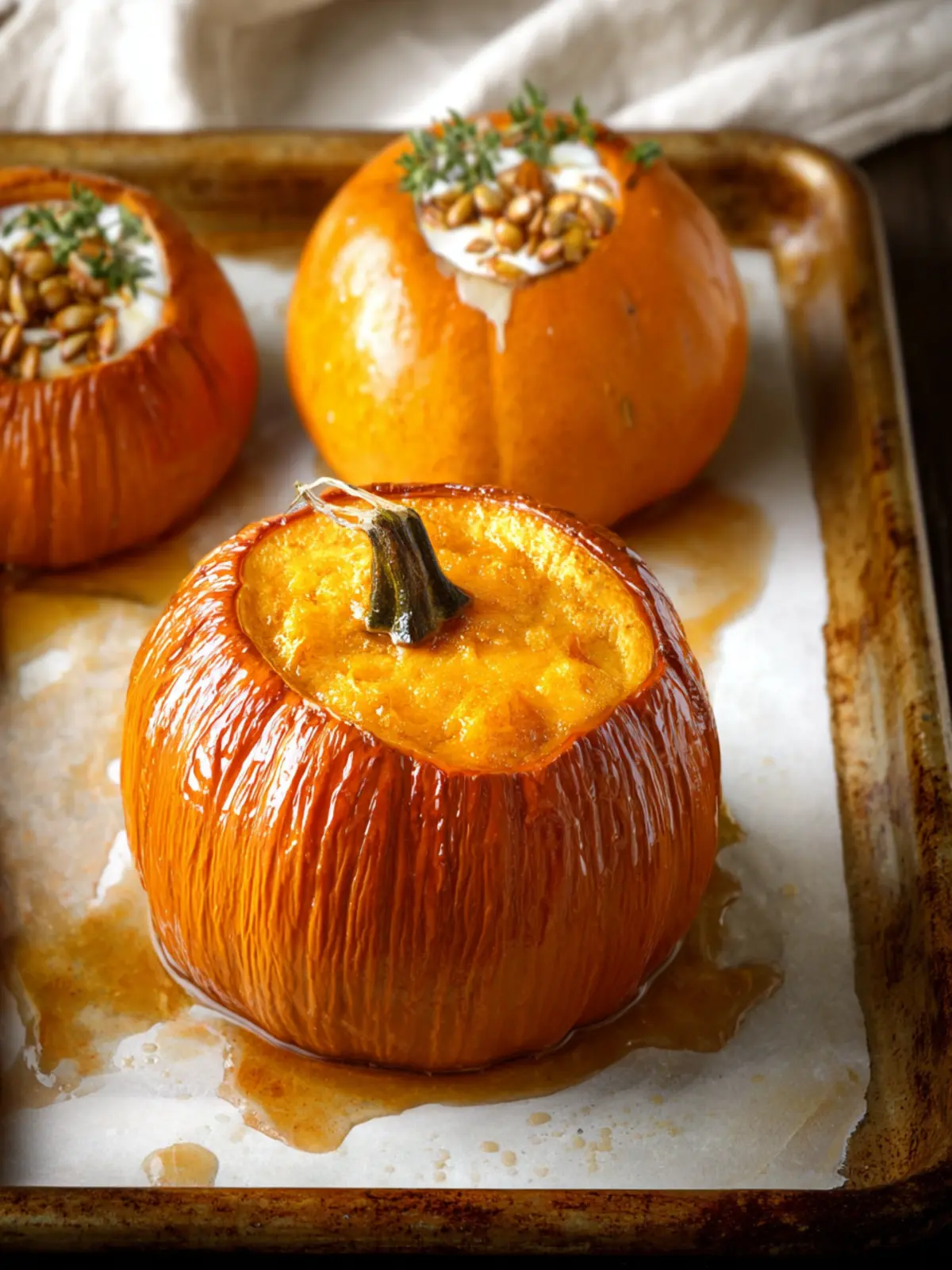
Variations on Cooking Pumpkin
Cooking pumpkin can be an exciting culinary adventure that transcends ordinary recipes. This vibrant vegetable is incredibly versatile, and I’ve discovered some delightful ways to elevate its natural flavors.
Roasting with spices
Roasting pumpkin brings out its sweetness while inviting a variety of spices to the party. Imagine tossing pumpkin cubes with olive oil, sea salt, and a mix of cinnamon, nutmeg, or even smoked paprika. The result? A warm, fragrant side dish that pairs perfectly with any meal. Don’t shy away from experimenting; try adding cayenne for a kick or rosemary for that earthy note.
Adding sweetness with maple syrup
If you fancy a little added sweetness, consider drizzling pumpkin with maple syrup before baking. This delightful touch creates a caramelized finish that pairs beautifully with the pumpkin’s creamy texture. You can also combine maple syrup with a sprinkle of pecans or walnuts for a crunchy topping that adds both flavor and texture.
Vegan and gluten-free options
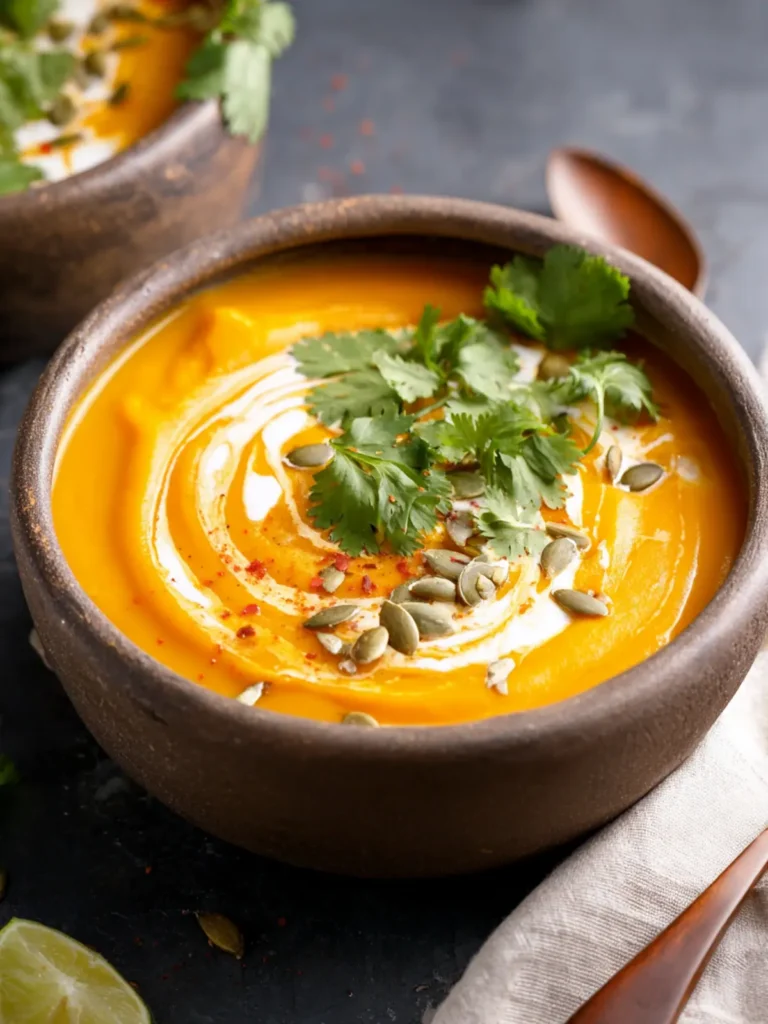
In this cook pumpkin guide, it’s important to highlight that pumpkin is naturally vegan and gluten-free. You can whip up a hearty pumpkin soup using coconut milk for a creamy base, ensuring it’s entirely plant-based. For those avoiding gluten, pumpkin puree makes an excellent substitute in baked goods, adding moisture and depth without compromising taste.
Experimenting with these variations will not only enhance your pumpkin dishes but also inspire your cooking creativity. Enjoy the journey of cooking!
Cooking Tips and Notes for Perfect Pumpkin
Cooking with pumpkin can transform simple recipes into seasonal favorites, and knowing a few insights can elevate your Cook Pumpkin Guide experience. Let’s dive into some key tips!
Choosing the Right Pumpkin
When selecting pumpkins, look for sugar pumpkins or pie pumpkins. These smaller varieties are sweeter and more flavorful than the larger decorative pumpkins. Check for a firm, unblemished skin and a rich, deep color. Remember, the fresher the pumpkin, the better your dish will taste!
Importance of Preheating and Preparation Methods
Don’t overlook the importance of preheating your oven before roasting. A hot oven ensures even cooking and caramelization, bringing out that incredible sweetness. After cutting your pumpkin, scoop out the seeds and strings thoroughly—this improves texture and flavor. You can roast, boil, or steam pumpkin depending on your recipe needs, but roasting typically enhances its natural sweetness and adds depth.
How to Store Leftover Pumpkin
If you’ve got leftover pumpkin, store it properly to maintain its flavor and texture. Place any unused pumpkin in an airtight container and refrigerate it; it should stay fresh for about 3-5 days. For longer storage, consider freezing pumpkin puree in portions. It can last up to six months in the freezer, making it a great go-to for your future cooking adventures.
With these tips, your pumpkin dishes will shine! Enjoy your culinary journey with this versatile ingredient.
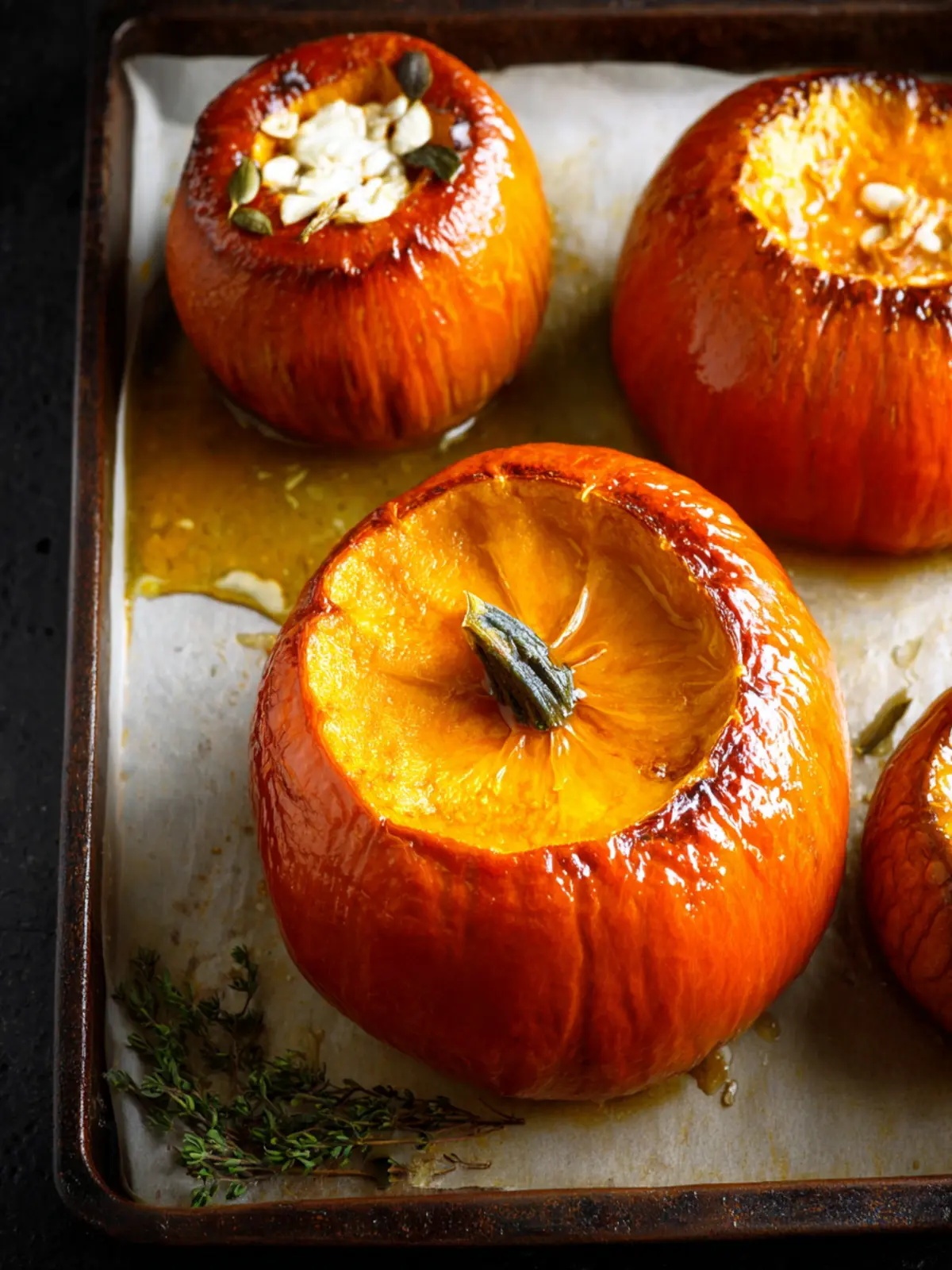
Serving Suggestions for Cooked Pumpkin
Exploring the versatility of cooked pumpkin can transform your meals into seasonal delights. This ingredient, often associated with autumn, adds a warm flavor and vibrant color that can enhance a variety of dishes in surprising ways.
Integrating into Soups and Salads
One delightful way to use cooked pumpkin is by blending it into soups. Its creamy texture pairs perfectly with spices like nutmeg and cinnamon, creating a warming pumpkin soup that’s perfect for chilly evenings. If you’re making a salad, toss in some roasted pumpkin cubes for a rich, hearty touch. Pair it with leafy greens, nuts, and a tangy vinaigrette for a satisfying meal.
Pairing with Seasonal Dishes
Cook pumpkin guide experts often recommend pairing it with traditional fall flavors. Think of dishes like a pumpkin risotto or pasta, where the sweetness of the pumpkin complements savory ingredients like sage or brown butter. You might also explore crafting a pumpkin-filled ravioli that highlights its unique flavor profile.
Creating Desserts and Baked Goods
Don’t forget about dessert! Cooked pumpkin shines in baked goods like muffins, bread, and pies. Its natural sweetness and moisture help create moist, flavorful treats. Whether you’re whipping up a classic pumpkin pie or experimenting with pumpkin spice cookies, the possibilities are endless.
Embracing cooked pumpkin not only enriches your meals but also celebrates the breadth of flavors this seasonal star has to offer.
Time Breakdown for Cooking Pumpkin
Cooking pumpkin, a versatile ingredient that can elevate any dish, requires a bit of planning. Knowing how to manage your time will help you enjoy the whole process.
Preparation time
Getting things ready takes about 15 minutes. This includes washing, peeling, and cutting the pumpkin into manageable pieces. This step is crucial for ensuring even cooking and great flavor.
Cooking time
Once your pumpkin is prepped, the cooking time will depend on your chosen method. Roasting typically takes about 30 to 40 minutes. If you’re boiling or steaming, you’re looking at around 15 to 20 minutes for tender results.
Total time
In total, you’re looking at roughly 50 to 60 minutes from start to finish. That includes prep and cooking, giving you ample time to whip up your favorite pumpkin dish! This time breakdown is essential for anyone looking to streamline their cook pumpkin guide journey!
Nutritional Facts of Cooked Pumpkin
When you embark on your journey to cook pumpkin, you’ll discover that this vibrant squash is not just a feast for the eyes but also a powerhouse of nutrition. Here’s a closer look at the benefits you’ll gain from enjoying cooked pumpkin.
Calories
Cooked pumpkin is a guilt-free delight, packing only about 49 calories per cup. This makes it an ideal ingredient for those keen on maintaining a healthy lifestyle while savoring a delicious dish.
Fiber Content
One of the standout features of cooked pumpkin is its impressive fiber content. With around 3 grams per serving, it supports digestion and keeps you feeling full longer. A nutrient-rich option, it can easily fit into your daily dietary needs.
Vitamins and Minerals
Pumpkin shines brightly in its vitamin and mineral profile. It’s rich in vitamin A, which supports eye health, and loaded with vitamin C, enhancing immunity. Additionally, it contains potassium and magnesium, contributing to overall wellness. Including cooked pumpkin in your meals is a simple, tasty way to boost your nutrient intake.
Incorporating this wholesome ingredient into your dishes not only elevates their flavor but also brings a wealth of health benefits to your table. Enjoy your cooking adventure!
FAQ about Cooking Pumpkin
Pumpkin is a versatile ingredient that can elevate many dishes, from savory soups to sweet pies. Yet, as you embark on your culinary journey with this fall favorite through my Cook Pumpkin Guide, you may have some questions. Let’s dive into the answers to common queries about cooking with pumpkin!
How do I know when the pumpkin is done?
To determine if your pumpkin is cooked to perfection, you can use a fork or knife to poke it gently. If it slides in easily, your pumpkin is ready! When roasting, look for a lightly browned exterior and tender flesh. For steaming, a soft, almost fork-tender texture indicates that it’s reaching its optimal goodness.
Can I use other pumpkin varieties?
Absolutely! While sugar pumpkins are the most commonly used for purees and dishes due to their sweetness and smooth texture, you can also explore other varieties such as butternut squash or kabocha. They offer a lovely flavor profile and can be a delightful alternative in recipes. Just remember that the textures may vary slightly, impacting the final dish.
How do I store cooked pumpkin?
Storing your cooked pumpkin is simple! Allow it to cool completely, then transfer it to an airtight container. It can be refrigerated for up to one week. If you want to keep it longer, consider pureeing it and freezing it in portions. This way, you can enjoy that delicious pumpkin flavor all year round!
Conclusion on Cooking Pumpkin
In this cook pumpkin guide, we’ve explored how to unlock the full potential of this versatile ingredient. From savory soups to sweet pies, pumpkin adds a unique flavor that can elevate your dishes. Remember to choose fresh pumpkins for the best taste and nutrition—after all, nothing beats that vibrant orange hue and earthy aroma.
Next time you find yourself in the produce aisle, consider picking up a pumpkin. You’ll not only enjoy cooking but also impress your friends with your culinary creativity. Happy cooking!
Print
Roasted Sugar Pumpkin
- Total Time: 55 minutes
- Yield: 4 servings 1x
- Diet: Vegetarian
Description
A simple and delicious way to prepare a fresh sugar pumpkin, perfect for use in recipes or as homemade pumpkin puree.
Ingredients
Scale
- 1 (8-inch) sugar pumpkin
- 1 tablespoon olive oil (or avocado oil)
- pinch of salt and black pepper (optional)
Instructions
- Preheat oven to 350 degrees F. Line a rimmed baking sheet or small roasting pan with parchment paper.
- Cut pumpkin in half lengthwise (from stem to tip) using a steady sharp knife. Use a sturdy spoon to scrape and scoop the seeds and stringy bits from the center of the pumpkin (save for roasting or discard).
- Brush the pumpkin flesh and skin with approximately one tablespoon oil then sprinkle with salt and pepper, if using. Transfer to your prepared baking sheet, cut-side-down. Pierce the skin with a fork in 2-3 places on each half to allow for steam to escape.
- Transfer the sheet pan to the oven. Bake for approximately 45 minutes, or until the flesh is easily pierced with a fork.
- Remove the baking sheet from the oven and allow to cool for 5 minutes before scooping out the flesh or peeling away the skin. Use in your favorite recipes or puree in a high-speed blender or food processor for homemade pumpkin puree.
Notes
- Try roasting the seeds from the pumpkin for a tasty snack.
- This method can be used for other varieties of pumpkins as well.
- Prep Time: 10 minutes
- Cook Time: 45 minutes
- Category: Side Dish
- Method: Baking
- Cuisine: American
Nutrition
- Serving Size: 1/2 pumpkin
- Calories: 50
- Sugar: 2g
- Sodium: 5mg
- Fat: 3g
- Saturated Fat: 0g
- Unsaturated Fat: 2g
- Trans Fat: 0g
- Carbohydrates: 10g
- Fiber: 2g
- Protein: 1g
- Cholesterol: 0mg