Follow Me On Social Media!

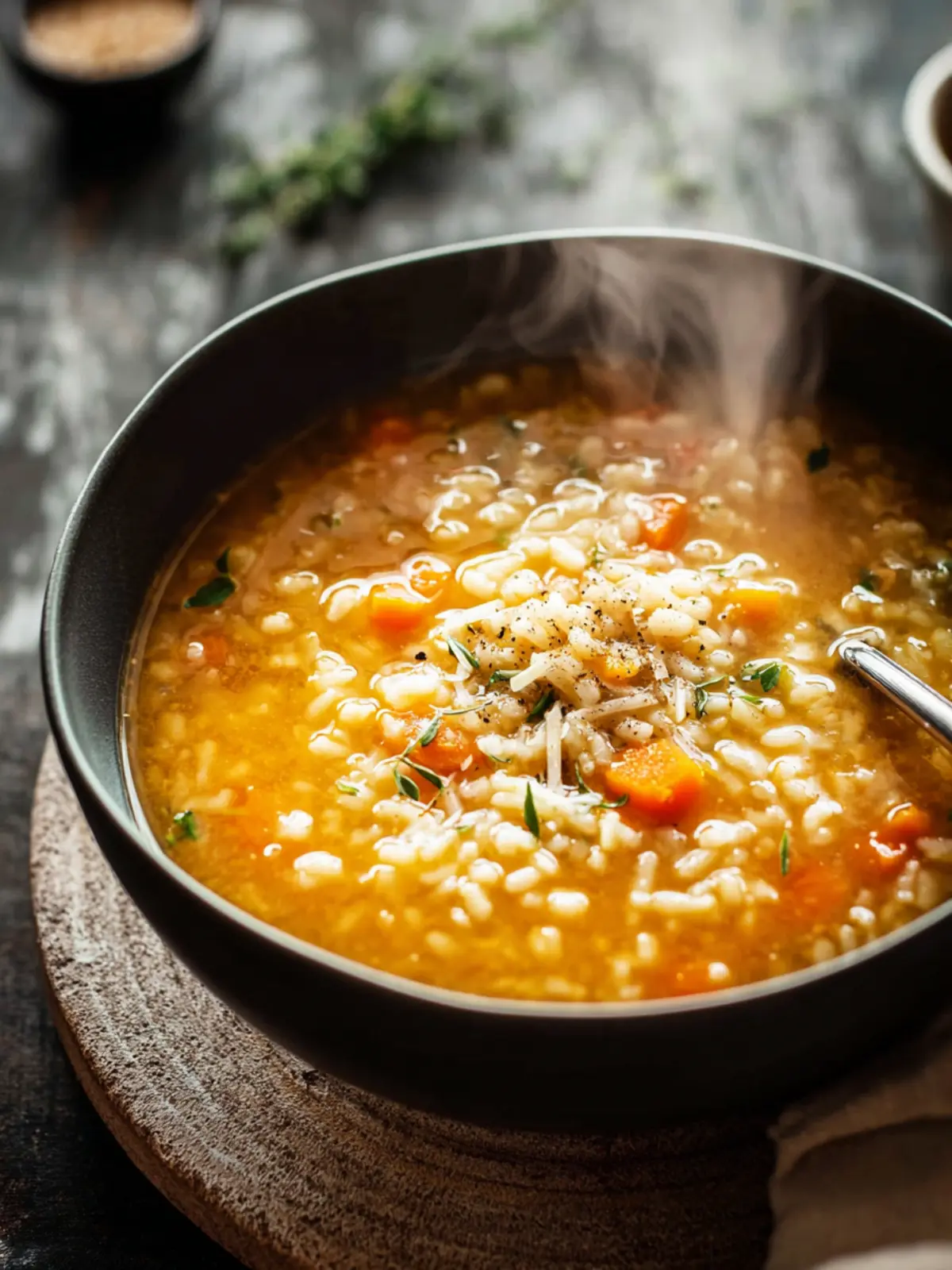
Pastina Soup: The Cozy Italian Penicillin You’ll Crave

Introduction to Pastina Soup (aka Italian Penicillin)
Imagine coming home after a long day, feeling a chill both outside and within; the kind of day that calls for something warm, comforting, and nostalgically Italian. Pastina soup, often affectionately dubbed Italian Penicillin, captures that vibe perfectly. It’s a dish that brings memories of childhood and tender moments, reminding us of cozy kitchens filled with the aromatic scents of simmering broth and tiny pasta shapes.
This delightful soup is more than just a warm meal; it’s an embrace, a celebration of simplicity, and perhaps a bit of magic for the soul. Many Italian families have a version of pastina soup passed down through generations, often seen as a remedy for the common cold or just a culinary hug on a dreary day. It’s the kind of dish that can revive your spirits and feed your body, whether you’re under the weather or simply in need of some comfort.
Why is Pastina Soup often referred to as Italian Penicillin?
You might be wondering why this humble soup has earned such a lofty nickname. The roots of pastina soup often stem from age-old traditions where simple ingredients combined to create nourishing meals. In Italy, it’s believed that this warm soup can work wonders when you’re feeling unwell. The mild yet flavorful broth, coupled with the tiny pasta, makes it gentle on the stomach while still being energizing.
Pastina itself is a tiny pasta, often used in soup, which makes it easy to eat and digest, especially for those feeling under the weather. This quality transforms pastina soup into the go-to dish for nurturing a loved one back to health, be it a child with a fever or an adult seeking solace from a busy life.
In essence, pastina soup provides the comfort of a homemade meal, reminiscent of motherly care and warm kitchens. With each spoonful, you’re not just consuming a dish; you’re carrying on a tradition that lovingly whispers, “You’re taken care of.”
So the next time you’re feeling a bit down or just in need of comfort, embrace the magic of pastina soup. It’s time to savor its warmth—your very own Italian penicillin.
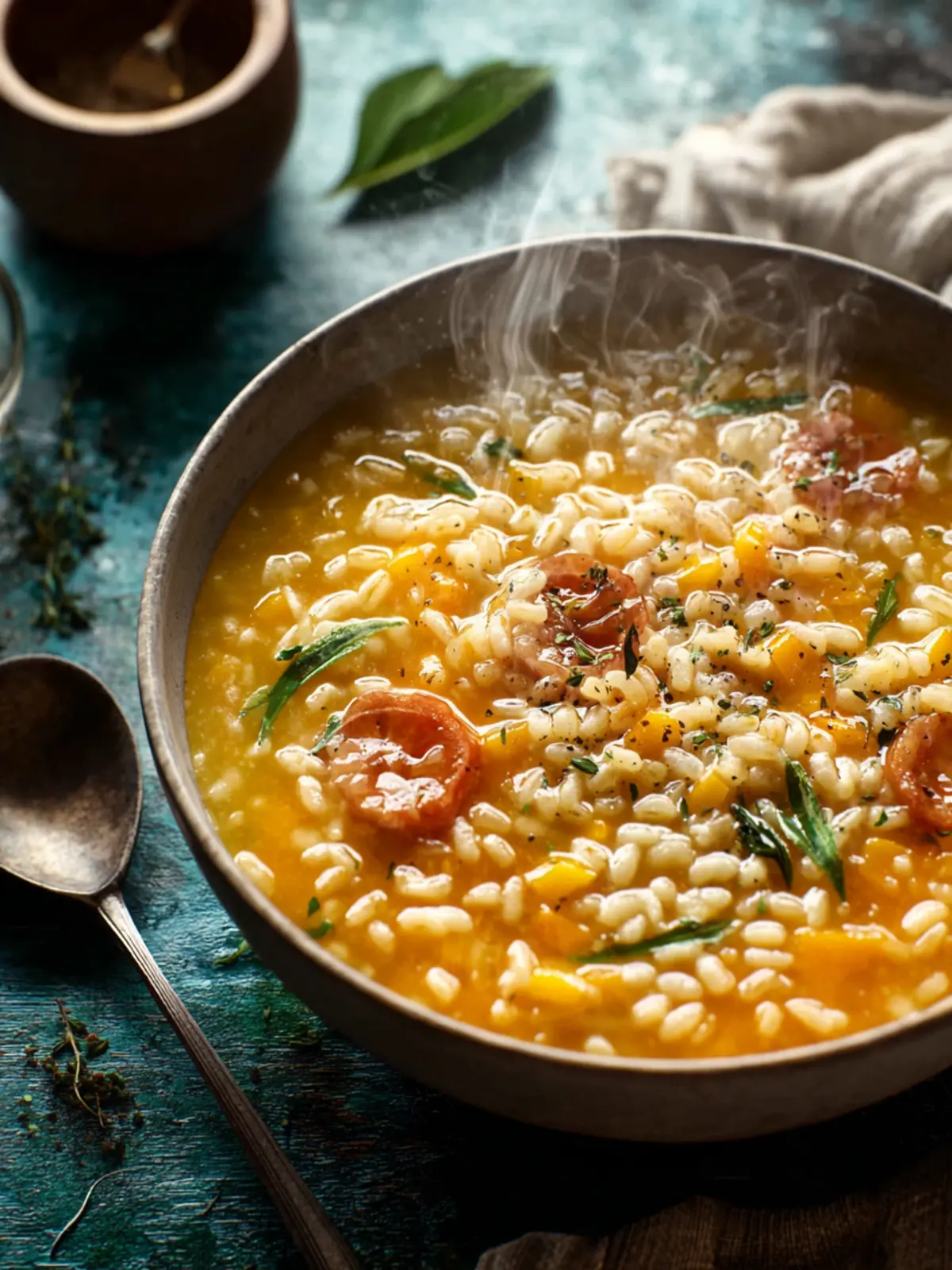
Key Ingredients for Pastina Soup
Chicken Stock or Bone Broth: When making pastina soup, the foundation begins with a quality chicken stock or rich bone broth. Using homemade stock elevates the flavor, but if time is tight, a good store-bought variety will do just fine. The savory depth of the broth brings warmth and comfort to the dish, making it nourishing for both body and soul.
Vegetables: Carrots, Celery, and Shallots: Fresh, vibrant vegetables are essential in this recipe. I always reach for sweet carrots for a hint of natural sugar, crisp celery for crunch, and aromatic shallots to add a milder onion flavor. Together, they create a flavorful base that enhances the pastina soup experience.
Aromatics: Garlic, Thyme, and Bay Leaf: Aromatics are where the magic happens. Fresh garlic infuses the soup with a wonderful aroma, while thyme and a bay leaf add complexity. These herbs and spices work harmoniously to create a soothing, heartwarming essence in every sip.
Parmesan Cheese Rind: Don’t throw away that Parmesan rind! Adding it to your pastina soup enriches the broth with a creamy, cheesy flavor that perfectly complements the other ingredients.
Gluten-Free Stelline Pasta: For the stars of our pastina soup, I recommend gluten-free stelline pasta. These charming little star-shaped noodles cook quickly and add a playful touch, making the soup even more delightful to enjoy, especially for those with dietary restrictions.
Why You’ll Love This Pastina Soup
Imagine a cozy evening where warmth envelops you like a thick blanket and the aroma of pastina soup wafts through your kitchen. This delightful dish isn’t just a meal; it’s a heartwarming experience that connects generations. Originating from Italian kitchens, pastina soup—often fondly referred to as “Italian penicillin”—is your go-to remedy for chilly nights or a remedy for that inevitable common cold that seems to sneak up on you when you least expect it.
Comfort in a Bowl
-
Nostalgic Flavors: Each spoonful is packed with memories of family gatherings, where hearty laughter and comforting meals mingled. The soft, tiny pasta serves as a gentle reminder of those cherished times.
-
Nourishing Ingredients: Made with wholesome ingredients like chicken broth, fresh herbs, and tender pastina, this soup nourishes both body and soul. The simplicity of the recipe means it’s quick to prepare, making it ideal for busy weeknights.
Versatility and Ease
Whether you’re feeling under the weather or just in need of something comfy, this pastina soup is versatile enough to adapt to your taste. Toss in your favorite veggies or proteins, and you’ll create a customized bowl that feels just right for you.
In a world full of complicated dishes, this soup stands out as a straightforward yet satisfying option that any young professional can whip up in no time. So grab your ingredients, and let’s savor the comfort of this lovely pastina soup!
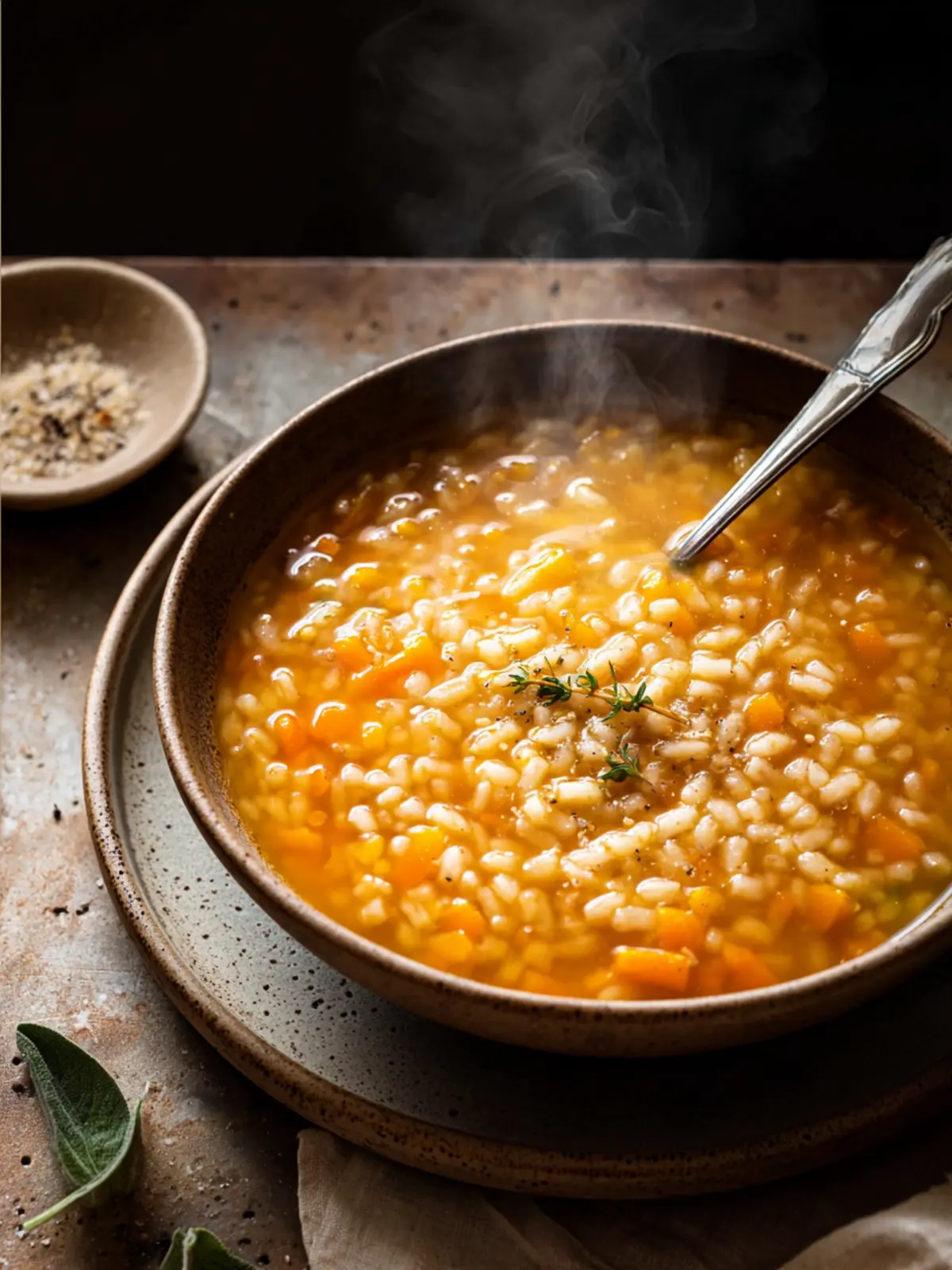
Cooking Tips for Perfect Pastina Soup
Creating a cozy bowl of pastina soup, often dubbed “Italian Penicillin,” can be a heartwarming experience. A few small adjustments can elevate your dish from good to unforgettable.
Choosing Between Blender and Immersion Blender
When it comes to pureeing your pastina soup, the choice between a traditional blender and an immersion blender can greatly affect the texture. While a blender gives you a smooth, creamy consistency, an immersion blender allows you to control the chunkiness to your liking. I’ve found that using an immersion blender lets you experience the wonderful blend of flavors while maintaining some of the soup’s character. Plus, it’s easier to clean!
Adding Zing with Lemon Juice
To brighten up your pastina soup, don’t overlook the power of fresh lemon juice. A splash can enhance the flavors remarkably, cutting through any richness and adding a refreshing twist. Start with the juice of half a lemon and adjust to your taste. Trust me, the added brightness will make your soup feel alive.
Mastering the Al Dente Pasta
The pasta in your pastina soup should be perfectly al dente—cooked, yet firm to the bite. This not only enhances texture but also prevents the pasta from becoming mushy once it’s combined with the broth. Keep a close watch on the cooking time, usually just a minute or two less than the package instructions suggest. Your taste buds will thank you!
Time Breakdown for Making Pastina Soup
Creating pastina soup can be a delightful and healing experience, and understanding the time involved makes it even better. Let’s dive into the specifics!
Preparation Time
To get started, you’ll need about 10 minutes to gather and prep your ingredients. Chop your onion, carrot, and celery so they’re ready to go. This can be a great way to unwind, knowing that soon you’ll be tasting something incredibly comforting.
Cooking Time
The actual magic happens in 20 minutes on the stove. Once you add your ingredients to the pot, you’ll watch them transform into a simmering bowl of deliciousness. The aroma will certainly remind you of home.
Total Time
In just 30 minutes, you’ll have a soothing bowl of pastina soup ready to enjoy. It’s perfect for those busy weeknights when you need a quick yet nourishing meal that’s as tender as a hug.
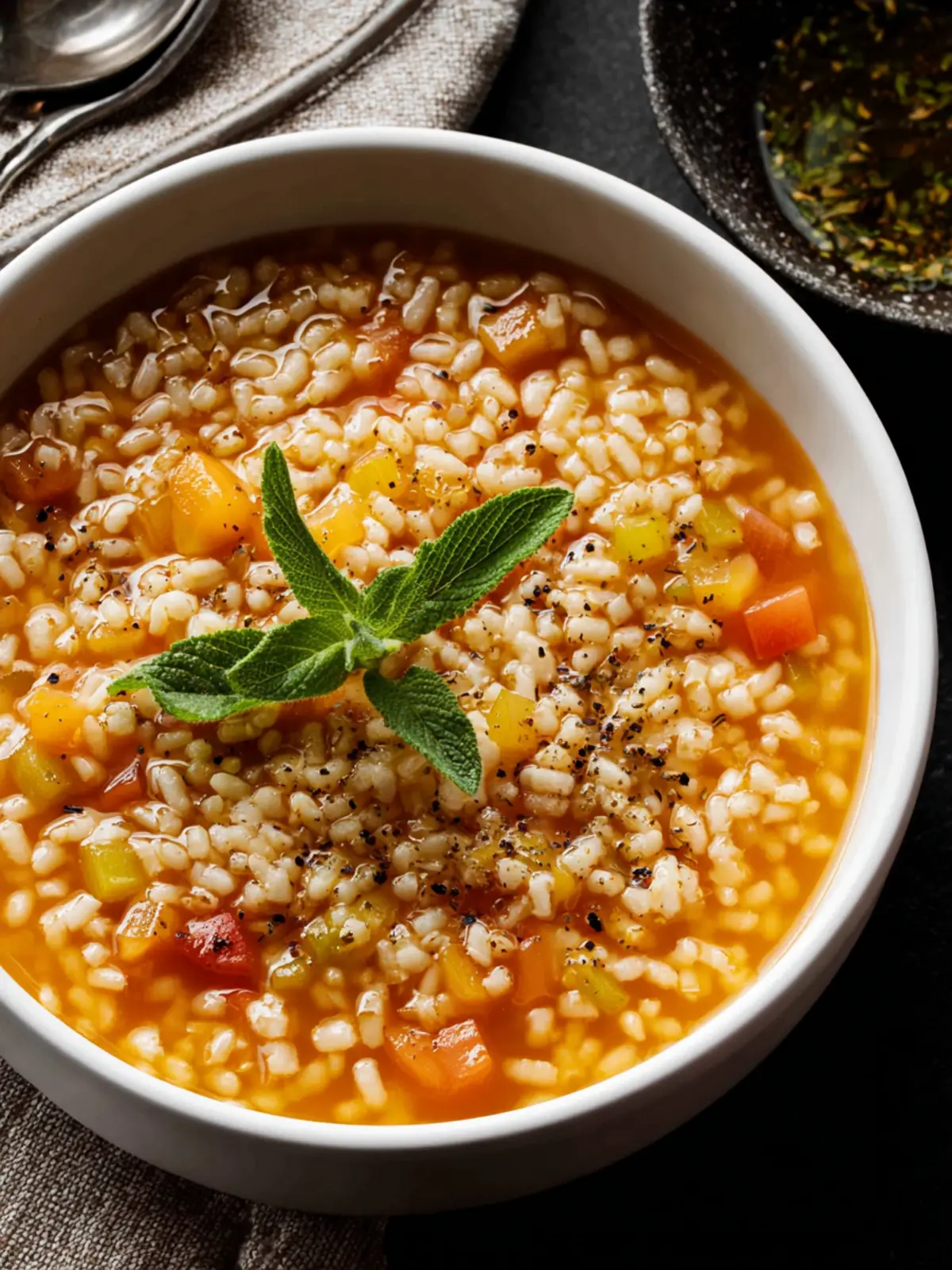
Nutritional Facts for Pastina Soup
When it comes to pastina soup, also lovingly dubbed Italian penicillin, it’s not just a comfort food; it packs a nutritious punch. This delightful dish combines simple ingredients to create a wholesome meal that warms the heart. Let’s break down the nutritional facts of this timeless recipe.
Calories
A serving of pastina soup typically contains around 250 calories. This makes it a light but satisfying option, perfect for a quick lunch or cozy dinner.
Protein
With about 9 grams of protein per serving, this soup provides a good amount of energy without being too heavy. Combining the tiny pasta with broth and any other added ingredients can further boost its protein content.
Sodium
While flavor is essential, the sodium content in pastina soup hovers around 600 mg, depending on your broth choice. If you’re watching your salt intake, consider using low-sodium broth to keep the comforting flavors intact without compromising on health.
Incorporating pastina soup into your meals not only offers taste but nutrition that can make you feel good inside and out.
FAQs about Pastina Soup
Wondering about the magic behind pastina soup, also affectionately known as Italian penicillin? This comforting dish carries a tradition of not just nourishing the body but also soothing the soul. Here are a few common questions I often hear:
Why is this soup known for its healing qualities?
Pastina soup is often dubbed Italian penicillin because of its simplicity and comforting properties. In many Italian households, this dish made with small pasta, usually in a savory broth, serves as a go-to remedy for colds, flu, and even heartbreak. The warm broth provides hydration and warmth, while the pasta adds a much-needed carbohydrate boost. Anecdotal evidence suggests that family recipes passed down through generations have always included this soup as a gentle, nourishing remedy during times of sickness or distress.
Can I make this soup vegetarian?
Absolutely! Simply swap the chicken broth for vegetable broth, and you will have a vibrant and flavorful vegetarian pastina soup. You can also enhance the soup with seasonal vegetables like carrots, peas, or spinach to boost nutrition and add extra flavor without compromising the classic essence of the dish.
What other pasta shapes can I use?
While traditional pastina soup uses tiny pasta shapes like stelline or acini di pepe, feel free to get creative! Small shells, orzo, or even ditalini can work wonderfully. Just keep in mind that cooking times may vary, so adjust accordingly. In the end, the goal is to create a cozy bowl of soup that warms both body and spirit.
Whether you’re feeling under the weather or just need a dose of comfort, pastina soup is always a delightful choice!
Conclusion on Pastina Soup
In wrapping up our exploration of pastina soup, it’s clear why this comforting dish is cherished across generations, often dubbed Italian penicillin. The delightful combination of tiny pasta and savory broth creates a soul-soothing experience, perfect for chilly nights or moments when you need a bit of nurturing. Each bowl tells a story—whether it’s a family recipe or a cozy solo meal.
So, the next time you’re feeling under the weather or simply want a hug in a bowl, remember to whip up this easy and heartwarming pastina soup. You’ll not only satisfy your hunger but also wrap yourself in a nostalgic embrace of flavors. Enjoy!
Print
Creamy Chicken Stock Soup with Gluten-Free Pasta
- Total Time: 45 minutes
- Yield: 4 servings 1x
- Diet: Gluten-Free
Description
A comforting soup made with chicken stock, fresh vegetables, and gluten-free pasta, perfect for any occasion.
Ingredients
Scale
- 8 cups chicken stock or bone broth
- 2 small-medium sized carrots (peeled then roughly chopped)
- 2 ribs celery (roughly chopped)
- 1 large shallot OR small yellow onion (peeled then roughly chopped)
- 2 cloves garlic (peeled then smashed)
- 2–3 sprigs fresh thyme
- 1 bay leaf
- 1 parmesan cheese rind
- drizzle extra virgin olive oil
- salt and pepper to taste
- 1/2 lemon (juiced)
- 8 oz gluten free stelline pasta (Jovial brand recommended)
- freshly grated parmesan cheese (for serving)
Instructions
- To a large soup pot or Dutch oven, add the chicken stock or bone broth, carrots, celery, onion/shallots, garlic, fresh thyme, bay leaf, parmesan cheese rind, extra virgin olive oil, salt, and pepper. Place a lid on top then turn the heat to high to bring the liquid to a boil.
- Once boiling, turn the heat down to low then simmer with the lid on for 20-30 minutes or until the vegetables are very tender.
- Remove the thyme stems, bay leaf, and parmesan cheese rind then transfer the cooked vegetables into a blender. Add a ladleful of broth then blend until the vegetables are very, very smooth. Note: be sure to crack the lid of the blender open to allow steam to escape. Pour some or all of the pureed vegetables back into the soup then stir to combine. Alternatively, you can use an immersion blender to puree the vegetables in the pot.
- Add a squeeze of fresh lemon juice — the soup shouldn’t taste lemony, just brightened — then taste and add additional salt and pepper to taste.
- Place a lid on top to keep the soup warm while you cook the pasta.
- Cook the pasta in a pot of salted, boiling water according to package directions then drain and divide between bowls.
- Scoop the soup over the cooked pasta then serve with freshly grated parmesan cheese and freshly cracked black pepper.
Notes
- This soup can be made ahead of time and stored in the refrigerator.
- Feel free to add any other vegetables you have on hand.
- The flavor gets better as it sits, so leftovers taste amazing!
- Prep Time: 15 minutes
- Cook Time: 30 minutes
- Category: Soup
- Method: Stovetop
- Cuisine: American
Nutrition
- Serving Size: 1 bowl
- Calories: 250
- Sugar: 2g
- Sodium: 720mg
- Fat: 8g
- Saturated Fat: 1g
- Unsaturated Fat: 5g
- Trans Fat: 0g
- Carbohydrates: 36g
- Fiber: 3g
- Protein: 12g
- Cholesterol: 7mg