Follow Me On Social Media!


Vegetarian Kimbap: Irresistibly Fresh and Flavor-Packed Rolls

Introduction to Vegetarian Kimbap
Cultivating a passion for Vegetarian Kimbap can ignite a love for both culinary creativity and healthier eating. It’s a dish that tells a story, weaving together a rainbow of flavors and textures from Korea’s vibrant culinary landscape. Imagine sitting on a sunlit picnic blanket, with the gentle sound of nature surrounding you, as you savor each bite of this delightful rolled sushi. Whether made for a quick lunch or a fun party appetizer, each slice reveals a world of wholesome ingredients and artwork-like presentation.
Why Kimbap is a Foodie Favorite
Vegetarian Kimbap has captured the hearts of many food enthusiasts, and it’s easy to understand why. This Korean staple is not only visually appealing but also adaptable to various dietary preferences. The rice, typically flavored with sesame oil and a dash of salt, forms the perfect canvas for a medley of fillings.
-
Versatility: Traditional kimbap often includes fish or meat, but the vegetarian version opens the door to a plethora of options. With vibrant vegetables like carrots, cucumbers, and radishes, along with protein-rich alternatives such as tofu or egg, every bite offers a new taste experience. You can even customize the ingredients based on seasonal produce, giving your kimbap a fresh twist with each season.
-
Healthy Eating: With an emphasis on fresh produce, Vegetarian Kimbap supports a balanced diet rich in vitamins, minerals, and fiber. Since you control the ingredients, it can easily align with your health goals—whether you’re looking to integrate more plant-based meals or just want to eat lighter.
-
Social Experience: Making kimbap is inherently social. Gather with friends or family and make an event out of the rolling process. Not only will everyone enjoy their creative contributions, but it’s also a wonderful setting for laughs and bonding over food.
As you dive into the world of Vegetarian Kimbap, remember that it’s more than just a meal; it’s an experience—one that combines health, creativity, and a sense of community around food.
Key Ingredients for Vegetarian Kimbap
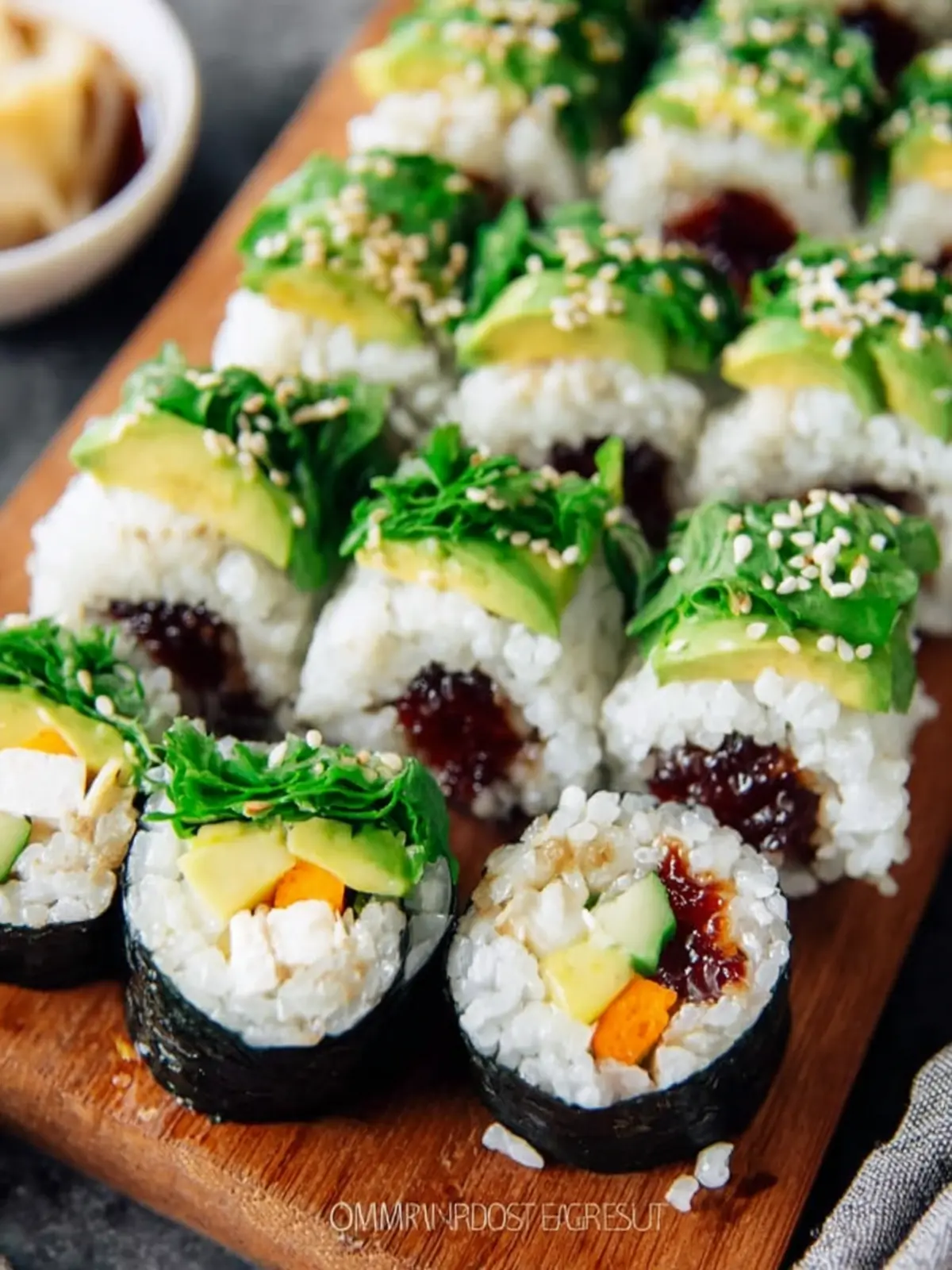
Creating the perfect Vegetarian Kimbap is all about selecting fresh, quality ingredients that bring flavor and texture together harmoniously. Let’s dive into what makes this dish a delightful plant-based option!
-
Nori Sheets: The foundation of your kimbap, nori sheets provide not just a wrap, but a taste of the ocean. Opt for high-quality nori as it enhances the overall flavor; those that are roasted and crisp are ideal.
-
Short-Grain Rice: Stickiness is key! Short-grain rice has the perfect texture for kimbap. Cooking it with a bit of salt makes it flavorful and helps the rice hold together when you roll it.
-
Vegetables: A medley of colorful vegetables like carrots, cucumber, and spinach forms the heart of your kimbap. Each veggie adds its unique crunch and freshness, so mix and match your favorites for a vibrant roll.
-
Pickled Radish: Known as danmuji, this tangy, crunchy ingredient adds a burst of flavor that contrasts beautifully with the other fillings. It’s the secret that elevates the entire dish.
-
Sesame Oil: Just a drizzle of sesame oil can transform your kimbap, giving it a rich, nutty finish. It’s an essential ingredient that binds all the flavors together.
With these key ingredients, you’ll capture the essence of traditional kimbap in a delicious vegetarian way!
Why You’ll Love This Vegetarian Kimbap
Quick, Healthy, and Perfect for Meal Prep
Imagine this: you’re looking for a convenient yet delicious meal option that not only satisfies your cravings but also fuels your body with nutrients. That’s where Vegetarian Kimbap comes into play. This delectable Korean dish is a vibrant combination of fresh vegetables and seasoned rice, all wrapped in seaweed, making it a delightful treat that’s visually appealing and surprisingly filling.
One of the great things about Vegetarian Kimbap is how quick and simple it is to prepare. With just a handful of ingredients, you can whip up a batch on a Sunday evening, and you’ve got lunches sorted for the week!
- Healthy Choice: Packed with vitamins and minerals, this meal is a perfect blend of wholesome ingredients such as cucumbers, carrots, and pickled radish.
- Meal Prep Friendly: You can easily customize your kimbap with your favorite veggies, making it a versatile meal option. Just roll them up, slice, and store in the fridge.
Whether you’re rushing to work or need a nutritious snack, Vegetarian Kimbap is sure to become your go-to recipe. It’s not just a meal; it’s a lifestyle choice that aligns with fast-paced living while keeping your health in focus.

Tips for Making Perfect Vegetarian Kimbap
Creating vegetarian kimbap is more than just a cooking task; it’s an opportunity to craft a vibrant, flavor-packed dish that tells a story of your culinary journey. With a few handy tricks, you’ll be rolling like a pro in no time.
Techniques for Rolling and Filling
-
Use a Bamboo Mat: A bamboo sushi mat will be your best friend. It allows for even pressure while rolling, ensuring your kimbap is tightly packed and won’t fall apart.
-
Prep Filling Wisely: Whether you’re opting for seasoned vegetables or protein alternatives like tofu, make sure to slice everything into long, thin strips. This uniformity helps with the ease of rolling and creates a balanced bite.
-
Rice Consistency Is Key: Use short-grain rice cooked with a little bit of vinegar, sugar, and salt. This not only enhances flavor but also makes the rice sticky enough to hold together without being overly mushy.
-
Start Rolling from the Bottom: Place your fillings about a third of the way up the seaweed, then gently lift the mat to roll the seaweed over the filling. Tuck in the edge and keep rolling firmly but not too tightly to avoid squishing the fillings.
-
Seal the Edges: Before slicing, lightly dampen the edge of the seaweed with water to seal it closed. This small step will prevent your vegetarian kimbap from unrolling.
With these tips, you’re set to create delicious, homemade vegetarian kimbap that’s perfect for a picnic or a snack any day!
Time Details for Vegetarian Kimbap
Creating delicious Vegetarian Kimbap is not only rewarding but also surprisingly quick! You’ll be savoring these vibrant rolls in no time.
Preparation Time
Getting everything ready for your Vegetarian Kimbap takes about 15 to 20 minutes. This includes washing, chopping, and arranging your colorful vegetables and other fillings. Make sure to have everything prepped so you can roll them swiftly!
Cooking Time
Cooking the rice typically takes around 30 minutes. While it’s cooking, you can multitask by sautéing the vegetables or lightly cooking any ingredients that need it, allowing you to maximize your time in the kitchen.
Total Time
In total, you’re looking at roughly 45 to 60 minutes to make a fresh batch of Vegetarian Kimbap. This is a wonderful low-effort option for a healthy meal, perfect for lunch breaks or dinner!
Nutritional Information for Vegetarian Kimbap
When you first delve into making Vegetarian Kimbap, you might be surprised by how nutritious and satisfying this meal can be! Perfect as a quick lunch or a snack on the go, this colorful dish not only pleases the palate but also nourishes your body.
Calories
A serving of Vegetarian Kimbap typically contains around 200 calories, making it a light yet filling option full of vibrant flavors.
Protein
For those concerned about protein intake, this dish provides about 5 grams per serving. The combination of rice and fresh veggies ensures you stay energized throughout your day.
Sodium
With approximately 350 milligrams of sodium, Vegetarian Kimbap is a flavorful choice that won’t lead to excessive salt intake, especially when using low-sodium soy sauce for dipping. Enjoy this wholesome meal guilt-free!
FAQs about Vegetarian Kimbap
When it comes to making Vegetarian Kimbap, it’s quite the culinary adventure filled with flavor and creativity. To help you navigate this delightful dish, here are some frequently asked questions that will guide you through your kimbap-making journey.
Can I customize the fillings for my kimbap?
Absolutely! One of the best things about Vegetarian Kimbap is its adaptability. You can easily mix and match your favorite ingredients. Popular fillings include:
- Cooked vegetables: Try sautéed spinach, zucchini, or carrots.
- Pickled items: Add pickled radish or cucumber for a tangy crunch.
- Protein options: Tofu is a fantastic choice, but you could also use tempeh or seitan for added texture.
- Rice substitutes: For added flavor, consider using flavored rice or quinoa.
Feel free to get creative and use what’s available in your pantry!
How can I store leftover kimbap?
Storing leftover Vegetarian Kimbap is straightforward! Here’s how to keep it fresh:
- Refrigerate: Wrap the kimbap tightly in plastic wrap or place it in an airtight container. Refrigerate for up to 2 days.
- Avoid sogginess: If you used watery ingredients like cucumber, consider removing these before refrigerating to keep the kimbap from getting soggy.
- Serve cold: Kimbap is traditionally enjoyed cold, so no need to reheat!
Is kimbap vegan-friendly?
Yes, Vegetarian Kimbap is a vegan-friendly option if you ensure that your fillings do not include any animal products. Instead of traditional ingredients like fish or egg, stick with vegetables, tofu, and plant-based seasonings. Always double-check your ingredients to confirm they fit your dietary needs.
With these tips in hand, you’re all set to enjoy your delicious Vegetarian Kimbap!
Conclusion on Vegetarian Kimbap
In wrapping up our delightful journey with Vegetarian Kimbap, it’s more than just a recipe; it’s an experience filled with flavor and vibrant colors. This dish draws from the rich traditions of Korean cuisine while allowing you to customize it to your taste. Whether it’s the crispness of fresh vegetables or the fragrant sesame oil, each bite transports you to a bustling market in Korea.
As you roll your own Vegetarian Kimbap, remember that it’s not only a meal but a chance to express your creativity. Share them with friends or enjoy them as a solo snack—either way, you’re in for a treat. Happy rolling!
Print
Kimbap
- Total Time: 50 minutes
- Yield: 4 servings 1x
- Diet: Vegetarian
Description
A delicious and colorful Korean dish made with rice, veggies, and seaweed.
Ingredients
Scale
- 1 1/2 cups uncooked short grain rice
- 1 teaspoon salt
- 1 teaspoon sugar
- 2 tablespoons rice vinegar
- 1 tablespoon sesame oil
- 12 oz (340 g) spinach (about 11 cups)
- 2 cloves garlic, grated
- 1/4 teaspoon salt
- 2 teaspoons sesame oil
- 1/2 teaspoon oil
- 1 cup carrot, shredded (yield from 1 medium-large carrot)
- 1/4 teaspoon salt
- 2 eggs
- 1/8 teaspoon salt
- 4 pieces toasted seaweed sheets (gim/nori)
- 4 strips danmuji (Korean pickled radish)
- 2 Persian cucumbers (or 1/2 English cucumber), seeds removed and sliced into thin long wedges
Instructions
- Gently rinse the rice by adding running water to cover the rice, swirl the rice in the water with your fingers a few times, and drain off the water. Repeat 1 to 2 times. Cook the rice according to package instructions or by following this guide (or 1:1 rice to water). Once cooked, let the rice sit covered and undisturbed for 10 minutes. Fluff with a paddle and transfer to a large bowl. While the rice is still hot, add the salt, sugar, vinegar, and sesame oil to the rice. Gently cut and fold the seasonings into the rice until the seasonings are fully absorbed. Cover the bowl with a lid or plastic and set aside.
- Bring a pot of water to a boil. Prepare an ice bath in the meantime. Add the spinach to the boiling water and cook for 30 seconds. Remove the spinach, drain, and submerge in the ice bath. Once cooled enough to handle by your hands, squeeze as much water from the spinach as possible, and place it in a bowl. Add the garlic, salt, and sesame oil and toss to mix well. Set aside.
- Heat the oil in a pan over medium heat until hot. Add the shredded carrot and salt. Cook and stir the carrots until they are wilted, 2 to 3 minutes. Transfer to a plate and set aside to cool.
- Beat the eggs and salt together in a small bowl. Heat a medium-sized non-stick skillet over medium-low heat and spray (or brush) with a thin layer of oil. Add the egg, do not stir, and cover briefly. Once the egg is mostly set, about 1 to 2 minutes, flip it and cook for another 30 seconds. Remove the egg to a cutting board and slice into 3/4” (2 cm) strips.
- Prepare a small bowl of water. Wear food gloves if available, to help prevent rice sticking to your hands. Cover your rolling mat with a piece of plastic wrap, and use a knife to slit a few lines on the mat. Lay one sheet of seaweed, rough side up and indented lines perpendicular to you, on a rolling mat (or on your work surface if not using a mat). Dip your fingers in the dish of water and pick up about 1 cup of rice, and place in the center of the seaweed sheet. Dip your fingers in the water again and spread the rice evenly across the sheet, leaving 1 1/2” (4 cm) of sheet uncovered at the top. For the best result, aim for the rice to be about two grains tall.
- About 1”(2 cm) from the base of the seaweed, start to add the fillings onto the rice. Begin with two strips of egg and one strip of danmuji next to each other. Lay 1 to 2 slices of cucumber on top of the egg, and a layer of spinach on top of the danmuji. On top of everything add the carrots. Lift the base of the seaweed and roll it over the filling, squeezing and pressing from the center out to the edges. Continue rolling until all the rice is rolled, then brush some water along the edge of the seaweed sheet that’s not covered by the rice until it feels sticky and moist. Continue rolling over the wet edge then press down gently to seal. Set aside. Repeat with remaining ingredients.
- Brush the top of the rolls with a thin layer of sesame oil and sprinkle with sesame seeds. Slice each roll into 10 pieces and serve at room temperature.
Notes
- Wear gloves while rolling for easier handling of rice.
- For a vegan option, omit the eggs.
- Prep Time: 30 minutes
- Cook Time: 20 minutes
- Category: Main Dish
- Method: Roll
- Cuisine: Korean
Nutrition
- Serving Size: 2 rolls
- Calories: 200
- Sugar: 2g
- Sodium: 500mg
- Fat: 7g
- Saturated Fat: 1g
- Unsaturated Fat: 5g
- Trans Fat: 0g
- Carbohydrates: 28g
- Fiber: 2g
- Protein: 7g
- Cholesterol: 70mg